



An Ezidi (Yazidi) political group has raised alarms over what it describes as potential “demographic changes” in two mainly Ezidi-populated areas of Duhok Northern Province, while the Kurdistan Regional Government (KRG) has rejected these accusations.
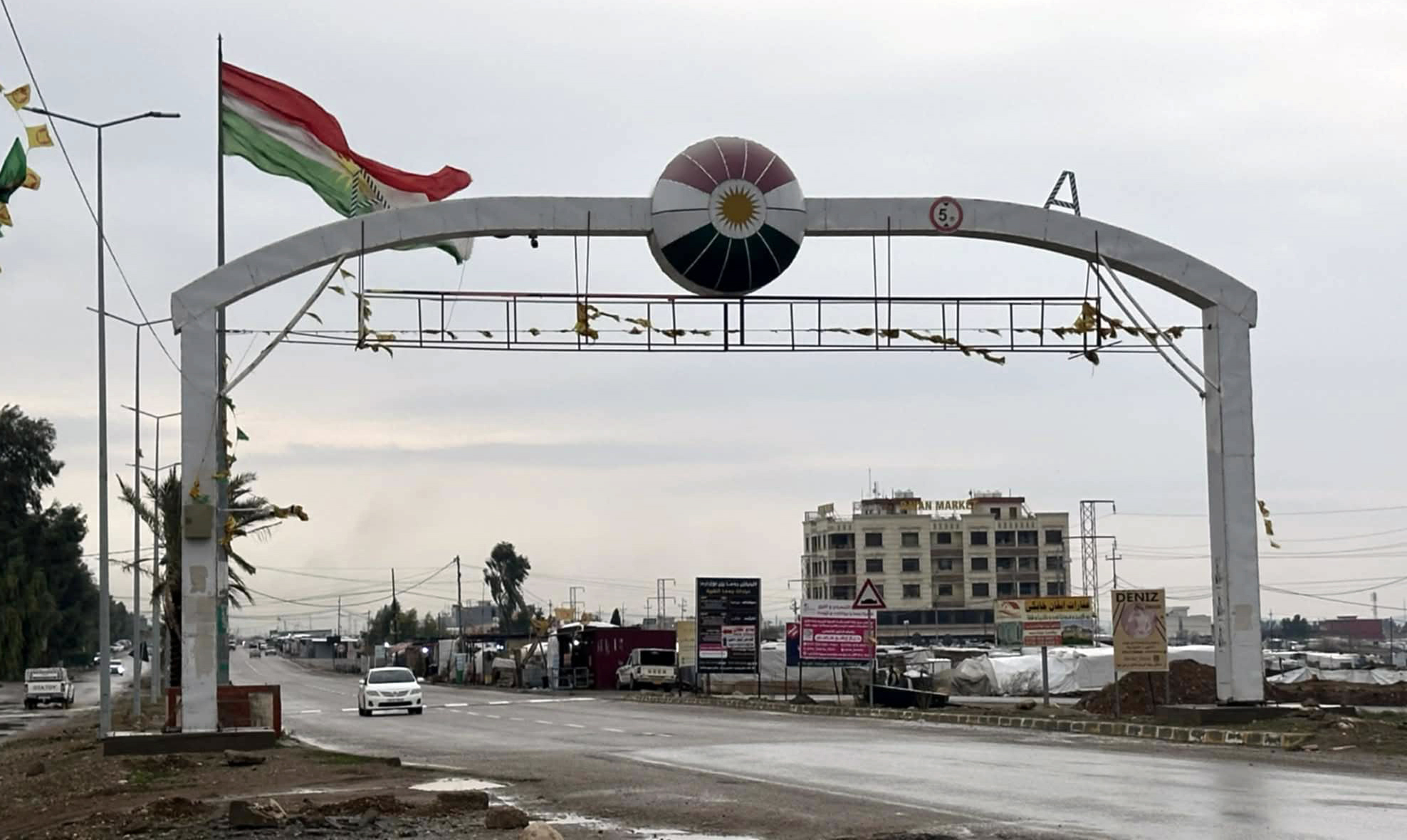
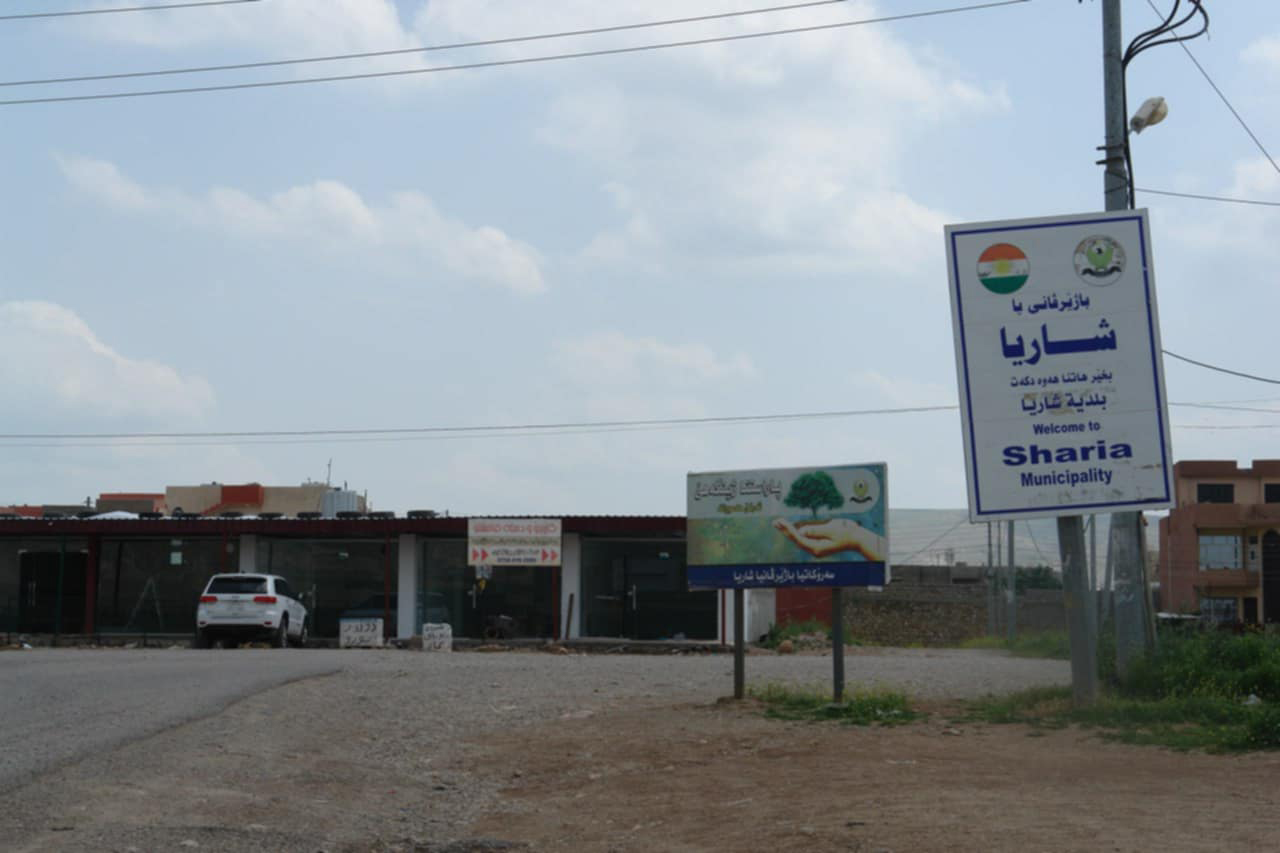
The concerns emerged after dozens of housing plots were allocated in the Khanke sub-district and the Sharia complex, both located in Sumel district of Duhok. Ezidi activists and political figures claim that land traditionally owned by Ezidis has been distributed to residents from other ethnic and religious communities.
On December 22, 2025, authorities allocated 400 residential plots within Khanke, an area largely inhabited by Ezidis. Shortly afterward, the Ezidi Cause Alliance—formed last year and recently securing a seat in the Iraqi Parliament—criticized the move, calling it an effort to alter the area’s demographic makeup.
Khairi Ali, a member of the alliance, told KirkukNow that several Ezidi landowners had reported their properties in Sharia and Khanke were at risk of being reassigned to non-Ezidis. Although no official evidence has been released, Ali argued that such actions violate the law and undermine religious coexistence, stressing that these communities must be protected from demographic manipulation.
Iraq’s constitution guarantees the rights of all components, including property ownership, and prohibits acquisitions intended to change population structures. Zardasht Sheikh Shamo, mayor of the Khanke sub-district, stated that most of the plots were given to Ezidi employees, with only 41 allocated to Christian and Muslim residents.
He added that local authorities had requested the cancellation of those allocations and the reassignment of land to non-Ezidis in other areas, even though those recipients are residents of Khanke.
Originally established as a residential complex in the 1980s, Khanke was officially designated a sub-district in 2022 and includes 18 villages with Christian and Muslim minorities.
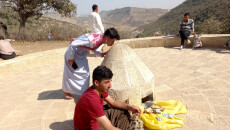
Ezidism is an ancient Middle Eastern monotheistic ethnic religion that believes in one God who created the world and entrusted it to seven Holy Beings, known as Angels, with Melek Taus being the prominent leader with authority over the world.
Ezidis primarily speak Kurmanji, one of the two main Kurdish dialects. Some Ezidis view Ezidism as both a distinct religious and ethnic identity, separate from the Kurdish identity.
Shamo dismissed claims of demographic threats, describing them as inaccurate. He said the issue has been discussed with Duhok officials and senior Ezidi representatives, emphasizing that no changes have been implemented on the ground. He cited the Kurdistan Region’s Law on Protecting the Rights of Components, which forbids any policy or behavior that alters the original demographic character of areas inhabited by specific groups.
Despite these assurances, a member of the Ezidi Cause Alliance pointed to past experiences, particularly in Sheikhan, where Ezidis gradually became a minority. He warned that similar outcomes could occur in Sharia, Khanke, and other Ezidi regions.
Ezidis in Iraq were once estimated at around 550,000, though more than 100,000 have since emigrated. Data from the KRG’s Directorate of Ezidi Affairs shows that most Ezidis currently reside in Shingal (Sinjar), Sheikhan, Bashiqa, and parts of the Nineveh Plain.
Khidir Dero Khansouri, an advisor to the Ezidi Spiritual Council, said the Ezidi Emir is aware of the situation and has communicated with the office of Kurdistan Democratic Party KDP leader Masoud Barzani.
He expressed confidence that the matter would be resolved satisfactorily and urged against fear or concern. While acknowledging that similar issues had previously arisen in Sheikhan, he stressed that such developments would not be repeated in Khanke, Sharia, or other Ezidi areas.
Sheikhan, located in Nineveh Province but administratively linked to Duhok, has an estimated population of 70,000.
The Ezidi Cause Alliance later released a statement listing five demands, including stopping any actions that could alter demographics, safeguarding land and property, involving Ezidis in administrative decision-making, and granting Khanke and Sharia special legal status as demographically sensitive areas.
Ali warned that if land distribution to non-Ezidis continues, the alliance will appeal to the Iraqi government and international bodies and may organize protests.