



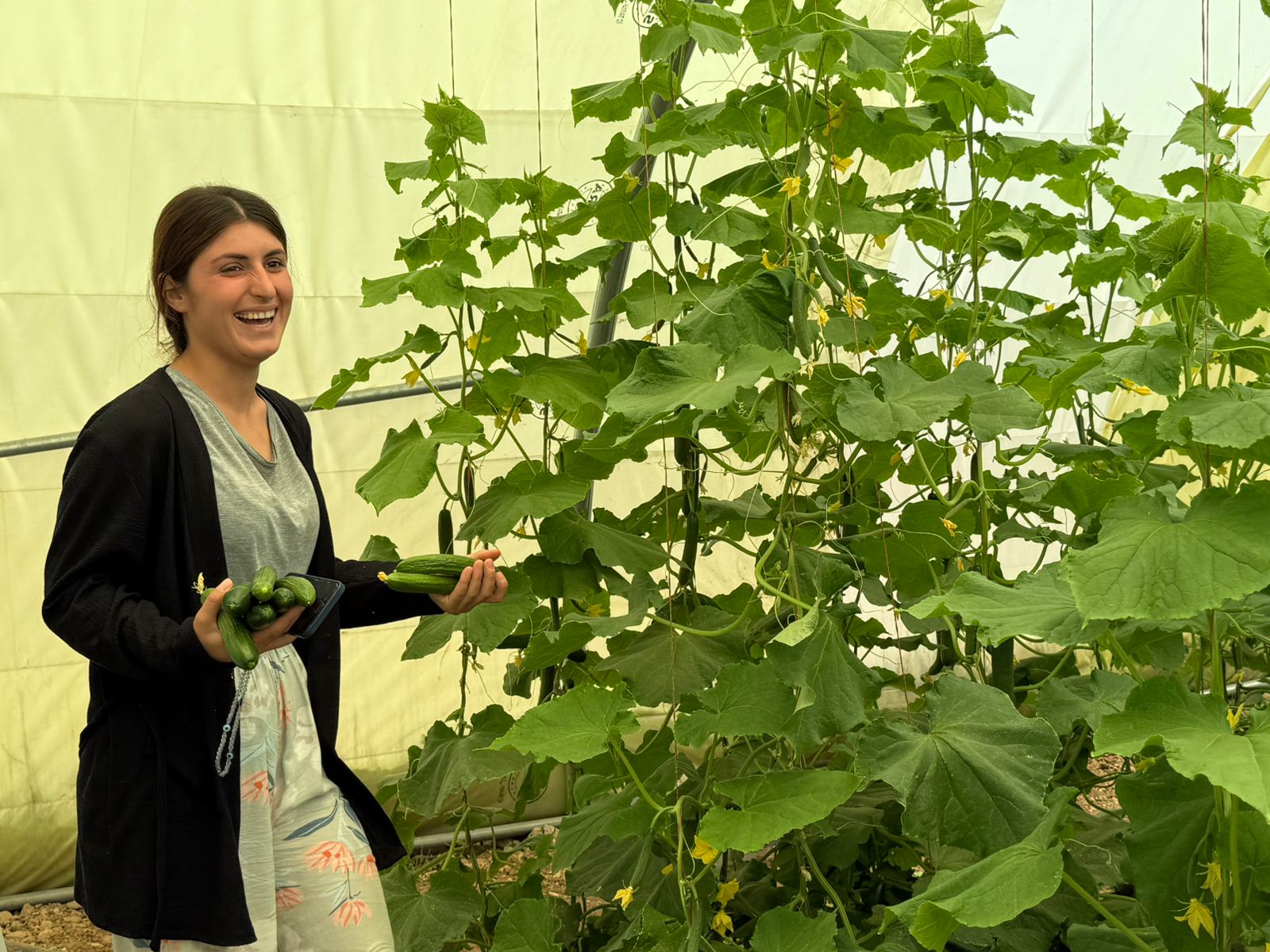

Inside a greenhouse measuring 51 meters long and 9 meters wide, 25-year-old Haifa Rasho is putting her training into practice. Her goal is clear: achieve financial independence and work alongside her family in a field traditionally dominated by men.
In Iraqi society, agricultural production and marketing are often led by men, while women usually play supporting roles. However, six displaced women living in camps for the internally displaced persons IDP are challenging that reality.
After receiving two greenhouses from Zhinda NGO, Haifa and her colleagues now manage every stage of farming themselves—from plowing and planting to irrigation and sales.
The project began after 50 IDP women and girls participated in training courses organized by Zhinda, an organization supporting displaced communities in Duhok northern province. Following the training, six participants from Khanke and Sharia camps received two greenhouses to apply what they had learned.
The 45-day course focused on three key goals: education, economic independence, and helping participants move beyond the trauma of war and displacement. The program specifically targeted women who had experienced violence at the hands of the extremist militants of the Islamic State in Iraq and Syria ISIS and forced displacement.
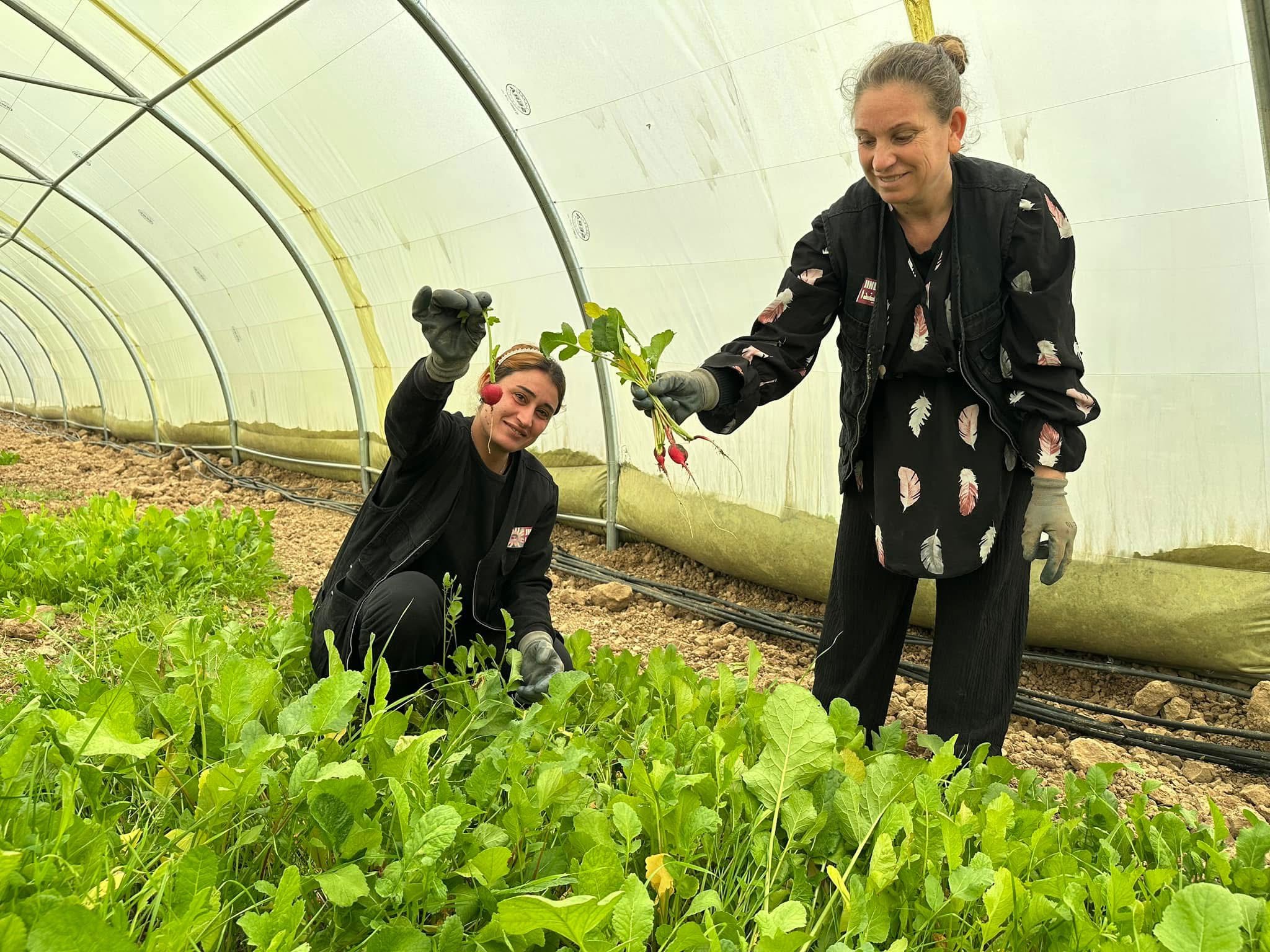
Haifa, who has lived in Khanke camp for over a decade, joined the program while unemployed.
“I wanted to achieve my goal of working and earning an income, so I joined the course enthusiastically,” Haifa said.
Today, the participants grow cucumbers, eggplants, okra, and seasonal crops, selling them both inside and outside the camp.
“This year we only harvested cucumbers so far and sold more than 300 kilograms because demand for local produce is high. We expect to sell okra and eggplants soon,” she explained.
Nura Daoud, 38, a mother of four, says the greenhouse has helped her contribute financially alongside her husband.
Together, the family now supports their children using both her husband’s income and the roughly 200,000 Iraqi dinars IQD ($130) she earns from farming.
Since receiving the greenhouses in 2025, the women have successfully completed three cucumber harvests—twice last year and once this year—matching the results of experienced farmers.
“Last year was very successful. We earned around four million dinars from cucumber sales alone,” Nura said.
For many of these women, most of whom belong to the Ezidi (Yazidi) community displaced during the ISIS conflict, such achievements carry deeper meaning.
In August 2014, ISIS killed 2,293 Ezidis and abducted 6,417 people, including women and children. More than 2,500 abductees remain missing, while thousands of families remain displaced, according to the Kurdistan Regional Government’s Office for Ezidi Hostages Affairs.
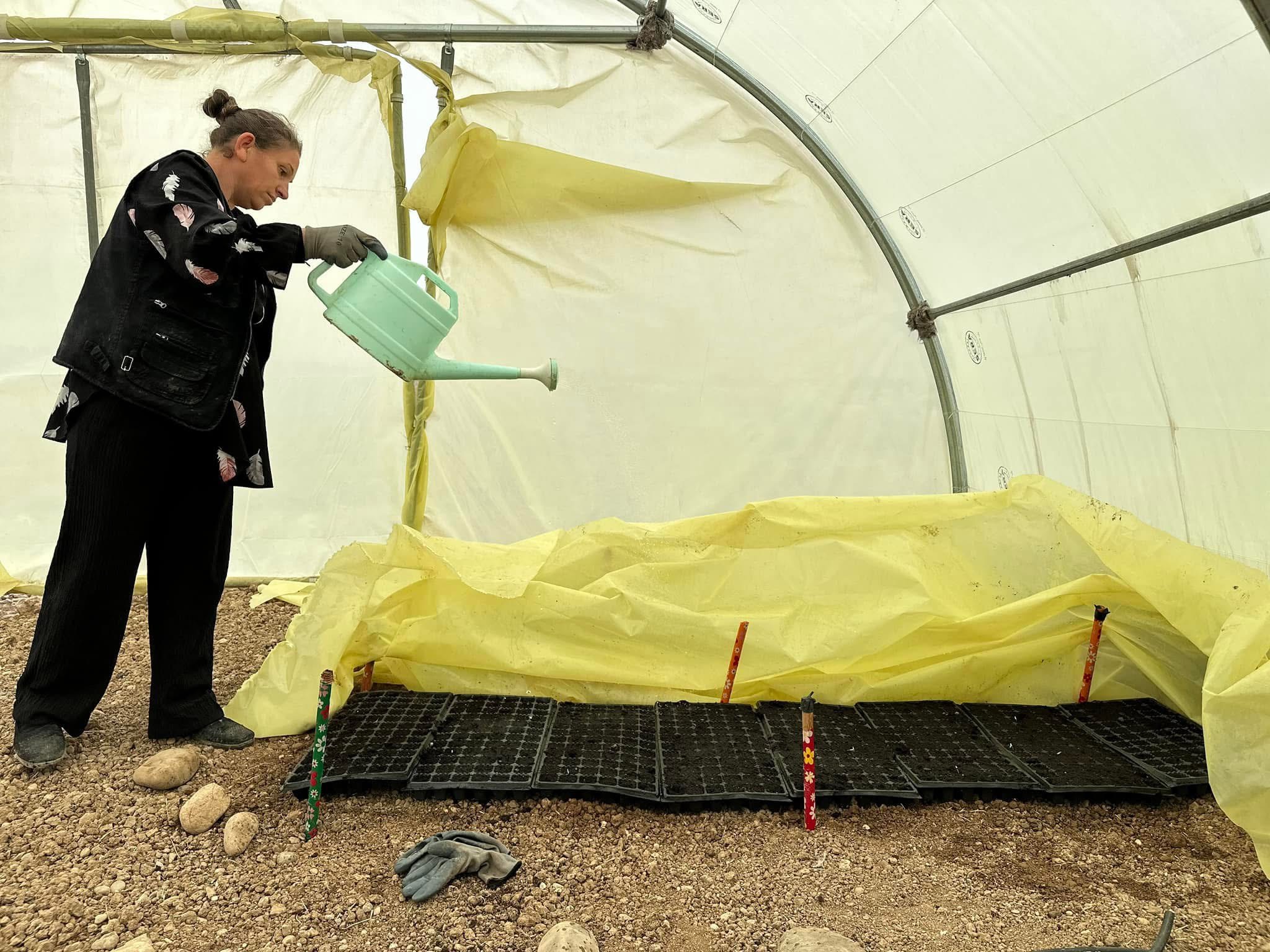
“Now we know how to farm, monitor production, earn income, and break free from daily routine,” Nura said.
She believes the project proves that women can work alongside men and participate fully in the economy when given opportunities.
“Before, only my husband worked and it was difficult for us to survive. Now things are different.”
Project organizers say the goal extends beyond agriculture.
“The main purpose is to teach displaced women one of the most important professions—farming—while helping them achieve economic independence and reduce the hardships of camp life.”
Zhinda hopes to expand the initiative and reach more displaced women in the future, although organizers say additional funding is necessary because training programs, equipment, and greenhouse construction require significant resources.