




Senior officials in Kirkuk, including Governor Mohammed Saman and several Provincial Council members, have come under intense public criticism after discussing the province's ongoing challenges during a TikTok livestream. The broadcast took place as the Provincial Council has gone 53 days without holding an official session.
Kirkuk continues to grapple with a range of pressing issues, including reduced electricity supply, fuel shortages, and continued demonstrations demanding the creation of 7,300 government jobs. Under the council's internal regulations, addressing these matters falls squarely within its legislative and oversight responsibilities.
On the evening of July 24, Governor Mohammed Saman appeared alongside two council members in a live TikTok discussion focused on the province's current problems. Citizens, journalists, activists, and representatives from different sectors participated in the broadcast, which quickly drew widespread criticism and mockery on social media.
One viewer sarcastically wrote, "We're cashing out TikTok earnings at a good rate," while another asked, "If problems can be solved on TikTok, what is the council supposed to discuss?" A third commenter joked, "A post for the governor and a rose for the Preacher," referring to Governor Mohammed Saman and council member Ahmed Kirkuki.
The livestream came despite the fact that the Provincial Council has not convened since its last meeting on June 2.
Raad al-Saleh, an Arab representative on the council, said the prolonged suspension of meetings is linked to the continued boycott by the Kurdistan Democratic Party (KDP). The party's two council members have refused to attend sessions since December 18, 2023, because the KDP does not recognize Kirkuk's current local government.
According to al-Saleh, the Federal Board of Supreme Audit has recently taken stricter measures against members absent from council sessions. He explained that the KDP representatives have received official notices urging them to return, but council members have been reluctant to enforce legal penalties against them.
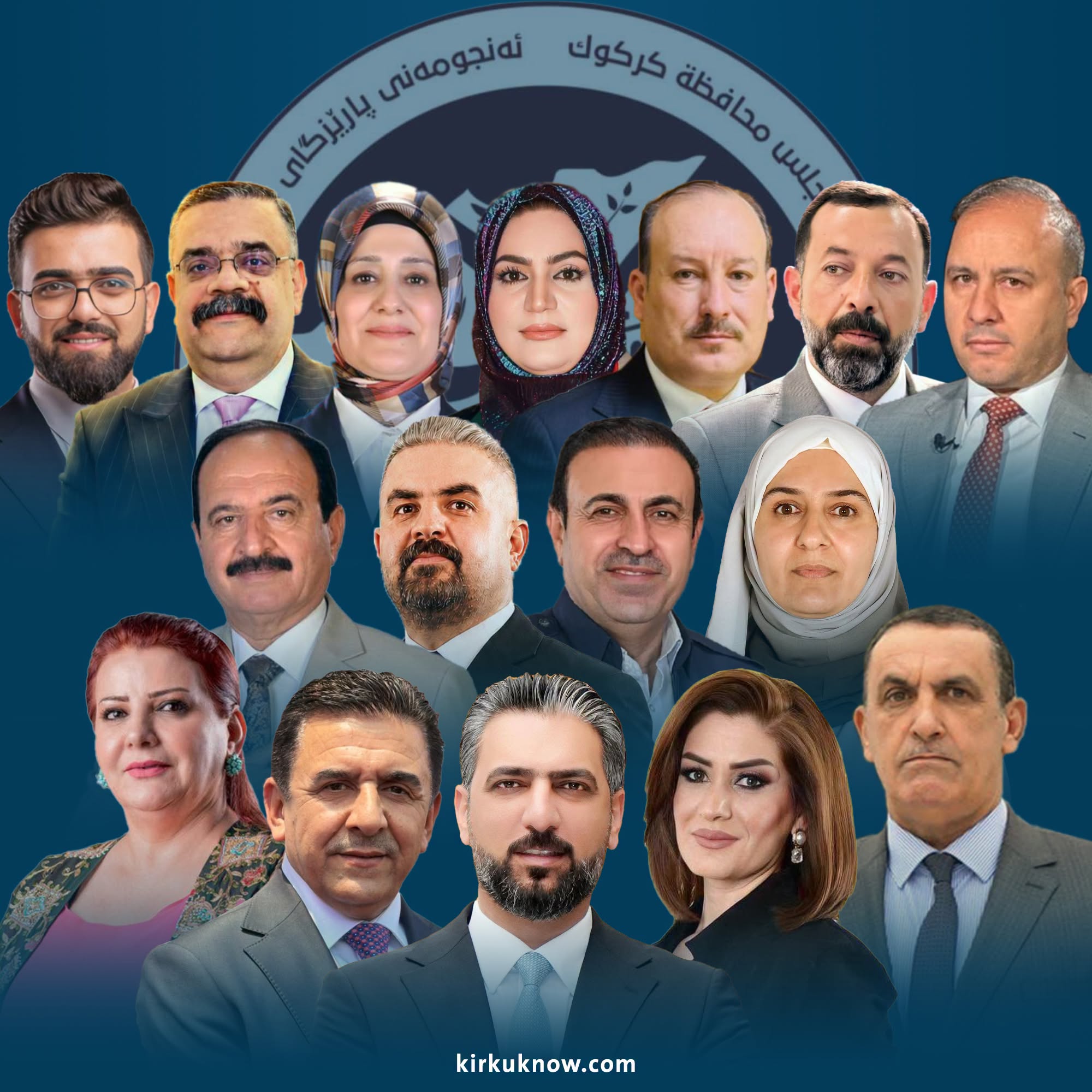
The 16 mebers of Kirkuk Provincial Council.
"They are our brothers, and we do not want them to face legal consequences," al-Saleh told KirkukNow. "That is why the council's work has been disrupted."
As the province's highest legislative and oversight body, the Provincial Council is responsible for issuing local regulations, overseeing provincial administration, approving budgets, and reviewing development plans.
Al-Saleh added that the council is still awaiting both the return of the KDP members and the distribution of a meeting agenda. He said a session could potentially be held next Tuesday if the party decides to participate.
Last week, KDP leaders met in Kirkuk to discuss whether their representatives should resume attending council meetings. However, the final decision was deferred to the party's Political Bureau.
Under both the Provincial Councils Law and the council's internal rules, any member who misses four consecutive meetings without a valid excuse after a quorum has been established can have their membership terminated. Despite this provision, it has not been enforced.
The continued suspension of council meetings comes as numerous administrative appointments remain unresolved and several major provincial issues require legislative action. Among the council's responsibilities are electing the governor and deputy governors, appointing district commissioners and sub-district directors, approving candidates for director-general positions before they are submitted to the Council of Ministers, and, when necessary, withdrawing confidence from senior officials through established legal procedures.
Abdullah Mirwais, a Provincial Council member representing the Patriotic Union of Kurdistan (PUK), criticized both the lack of meetings and the officials' decision to discuss public affairs on TikTok.
"The council chairman has not scheduled a meeting for the past 53 days, while officials are discussing people's problems on TikTok," Mirwais told Kirkuk Now.
He argued that if council leaders genuinely want to increase transparency and stay connected with the public, they should simply open council meetings to citizens rather than moving official discussions to social media platforms.