


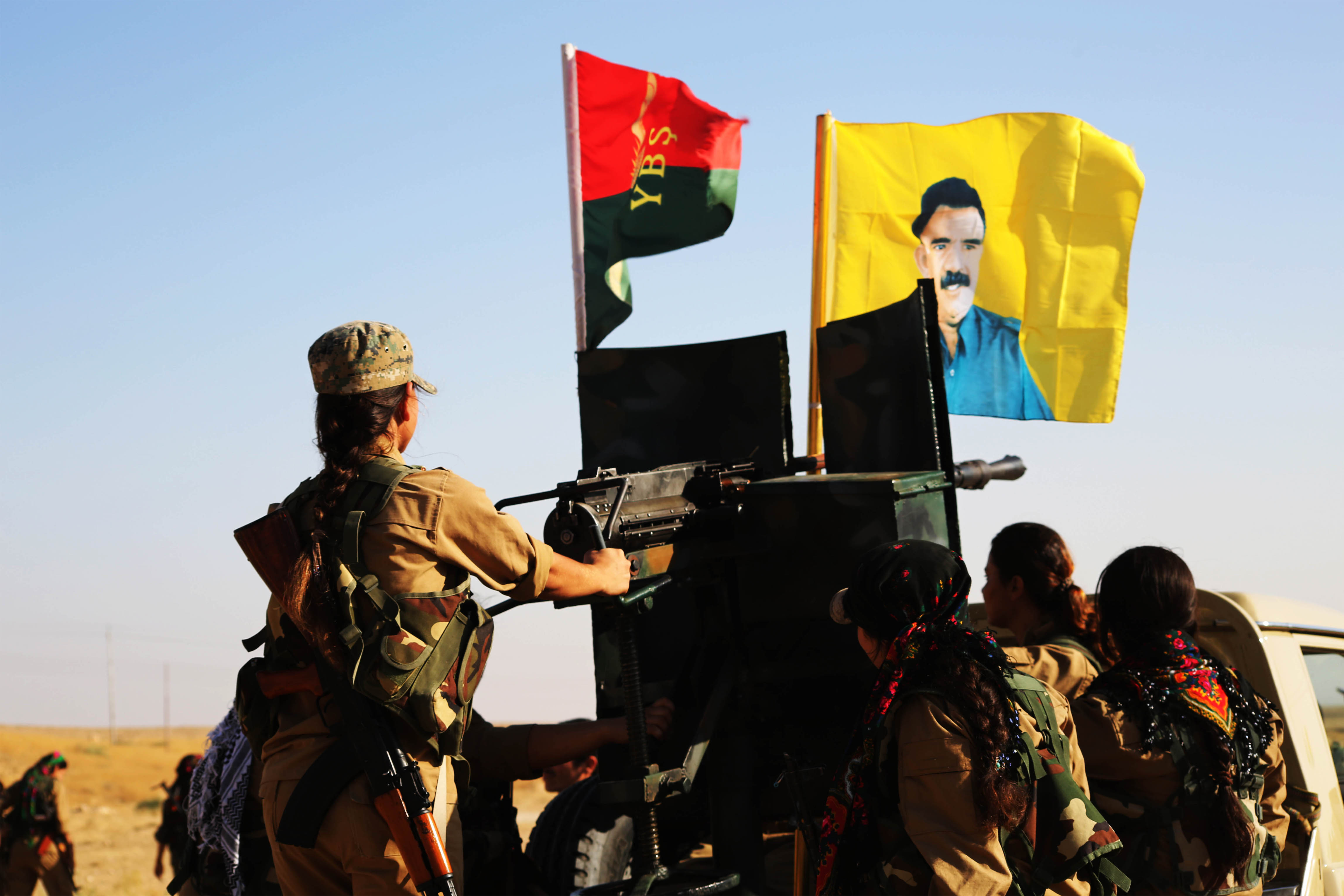

The Shingal (Sinjar) Resistance Units (YBŞ) have agreed to disarm in Shingal district home to the Ezidi (Yazidi) community by integrating their forces into Iraq’s federal security institutions. However, the group’s military wing and some of its leading figures remain hesitant over the details of how the process will be implemented.
The shift marks a significant change for YBŞ, which for years regarded disarmament as a red line. The change in its position comes amid a series of regional and security developments, including the planned end of the US-led coalition’s mission in Iraq, pressure from Turkey, and the consequences of recent developments in Syria.
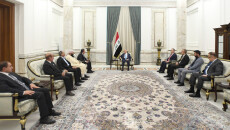
Despite differing views within YBŞ, Iraqi Prime Minister and Commander-in-Chief of the Armed Forces Ali Zaidi met with a joint delegation from YBŞ and the Yazidi Cause Coalition on September 11, 2026.
YBŞ was established in 2015, ahead of the operation to retake Shingal from Islamic State of Iraq and the Levant (ISIL) fighters. The group operates under the Shingal Autonomous Council, which is considered close to the Kurdistan Workers’ Party (PKK).
Disarmament Under Pressure from Turkey and Iraq
YBŞ officials acknowledge that the group has faced considerable pressure from both Turkey and Iraq to surrender its weapons. They have described their decision as a sacrifice made for the sake of their community.
“We Sacrificed Ourselves for Our Nation”
“In short, we sacrificed ourselves for our nation,” said Naif Shamo, head of the communications department of the self-governing administration in Shingal.
The self-governing council, which emerged following the fight against ISIS, was established to administer Shingal, although the Iraqi federal government has not recognized it.
“YBŞ has agreed to hand over its weapons to the government in exchange for the fighters being integrated into the Iraqi forces,” Shamo told KirkukNow.
Turkey has repeatedly carried out airstrikes on areas of Shingal in recent years, citing the presence of armed groups linked to the PKK, and has repeatedly threatened a ground operation. Turkey is now involved in a peace process concerning the PKK.
Meanwhile, the Syrian Democratic Forces (SDF) have agreed to integrate their forces with those of the Damascus government in Kurdish areas of Syria. The US-led coalition is also scheduled to end its mission in Iraq on September 30 this year.
During his meeting with the Ezidi delegation, PM Zaidi pledged that the Iraqi state would protect the rights of members of the Shingal Resistance Units and Shingal Women's Units and recognize their sacrifices by integrating them into the Iraqi security forces.
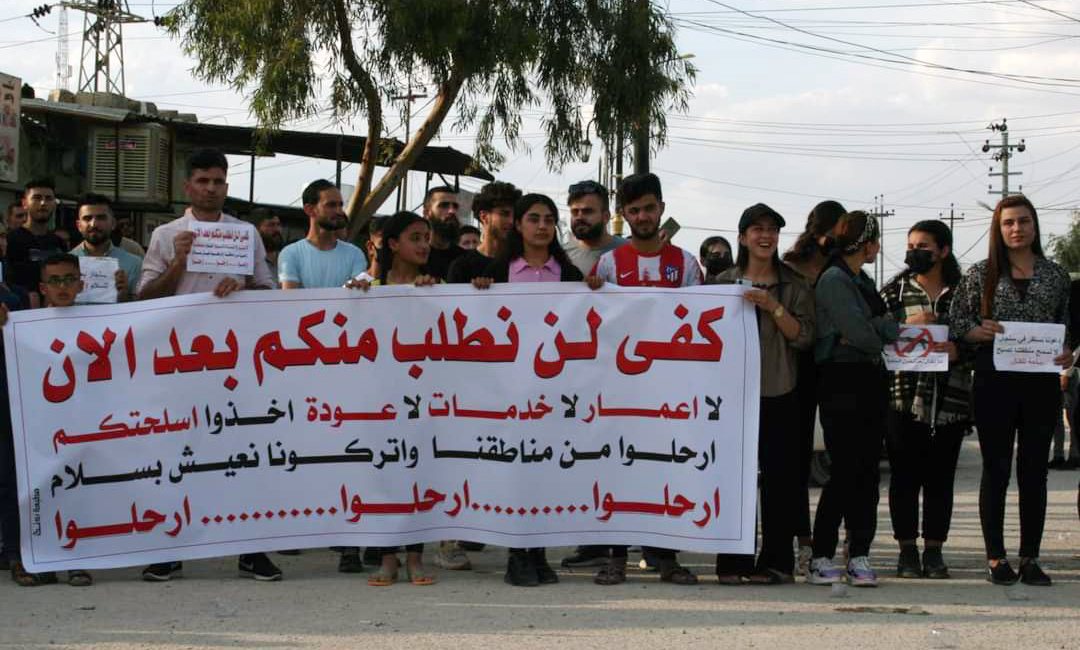
In 2020, the Iraqi government and the Kurdistan Regional Government KRG signed the Shingal Agreement, which sought to resolve the administrative and security disputes in the western Nineveh district. The agreement included provisions calling for the removal of forces close to the PKK, but it has not been fully implemented.
“We have about 5,000 fighters. Some of them are going to be integrated into the Iraqi military forces, some will become police, and the rest will become a special brigade,” Shamo said.
YBŞ played a role in the recapture of Shingal after the district fell to ISIS in August 2014. Thousands of Yazidi civilians were killed, kidnapped, or displaced during the conflict.
Details of the Disarmament Remain Unclear
Although the process is being described as “disarmament,” YBŞ commanders say it will involve integrating their fighters into Iraqi state forces while allowing them to retain their weapons under government authority.
“Our weapons will remain in the hands of our fighters, but they will belong to the Iraqi government,” Hadi Shingali, a YBŞ spokesperson, told KirkukNow.
He stressed that the process requires agreement from the local community as well as YBŞ commanders and military personnel.
“There are several opinions that must be brought together before a final agreement is reached, because this is the most sensitive issue. The people, as well as our commanders and military personnel, must agree so that there will be no problems later,” he said.
The proposed structure would divide YBŞ forces among several Iraqi security institutions.
“Our forces will be divided as follows: 1,500 fighters will be allocated to protect the shrines and holy places of the Ezidi religion, 1,500 fighters will become a special brigade of the army, 500 fighters will become border guards, and another 500 fighters will be merged with the federal police,” the spokesperson for the YBŞ military wing said.
The integration of armed groups into state institutions has become a major task for the new Iraqi government led by Ali Zaidi and has remained a prominent issue in political and security discussions for months, amid debate over how the process should be carried out.
“We will not allow Shingal to become an arena of conflict, and we will not accept any security or military authority outside the framework of the state,” Zaidi said.
He presented the policy as part of efforts to restore stability and guarantee security in Shingal, where several security forces operate, including YBŞ, the Iraqi Army, Hashdi Shaabi, the federal police, and Peshmerga forces affiliated with the Kurdistan Regional Government.
“Anything we do is for the sake of our people,” Zaidi said, rejecting claims that the process was connected to the situation in Syria. Shingal is located near Iraq’s approximately 600-kilometer border with Syria.
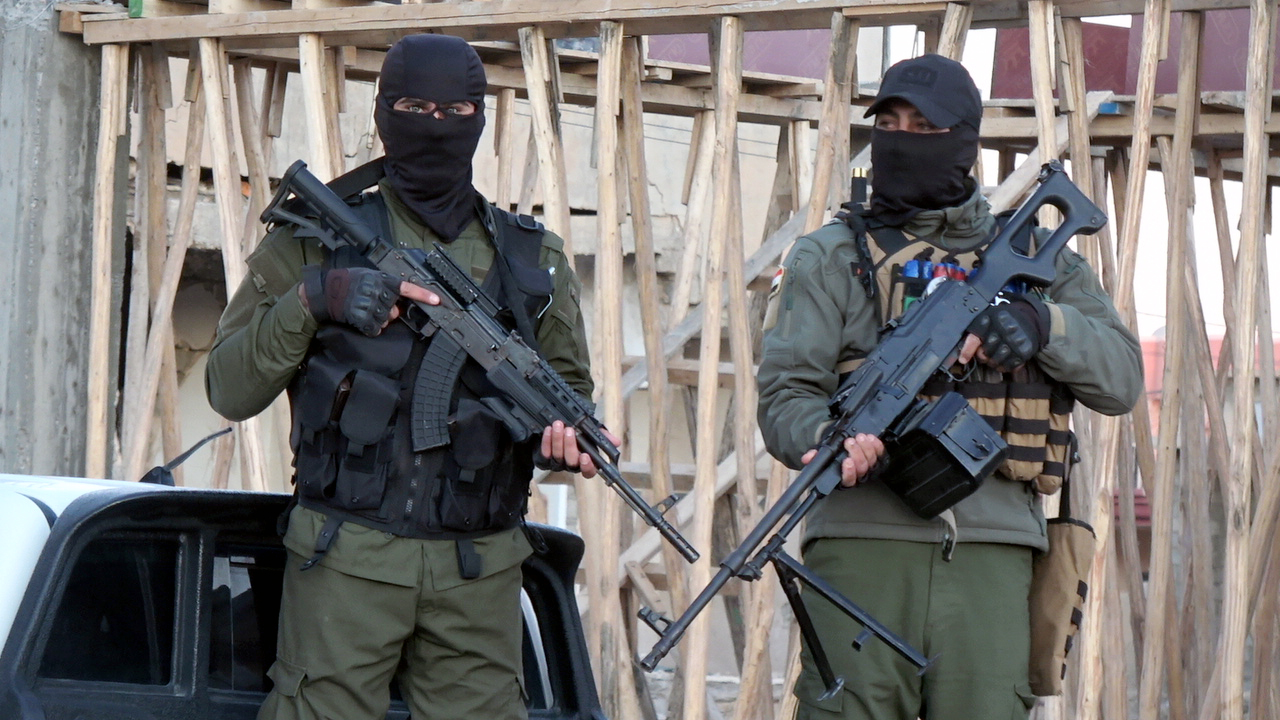
Weapons Alone Will Not Resolve Shingal’s Problems
In Shingal, the challenges extend beyond weapons and security. The district has struggled for years with competing administrations, war-related destruction, inadequate public services, and displacement.
Mirza Khalaf, a Peshmerga commander in Shingal, believes that integrating armed forces into state institutions could contribute to the district’s stability, which he considers essential for restoring normal life.
Like many other parts of Nineveh, Shingal experienced armed conflict between 2014 and the end of 2017. The fighting severely damaged the district’s service infrastructure, while thousands of families remain displaced because of continuing instability and a lack of reconstruction and public-service projects.
The district also has two competing administrative structures. One is the older administration that officially operates from Duhok. It left Shingal after the events of October 16, 2017, following the withdrawal of Peshmerga forces from the district and their replacement by the pro-Iran Popular Mobilization Forces PMF known as al-Hashd al-Shaabi forces.
The other administration operates in Shingal but has limited authority. It has elected a governor, but the Kurdistan Democratic Party (KDP), which held dominant influence over the area before the war against ISIS, does not recognize the arrangement.
“An Important Step Toward Stability”
Kurdistan Regional Government Interior Minister Rebar Ahmad said at a news conference on September 10 that implementing the 2020 Shingal Agreement would require “normalizing the situation in Shingal, restoring stability, removing the armed forces from the city, and handing over security responsibilities to the police.”
He also said that Shingal needs a new mayor, to be selected through a political and administrative agreement with the Nineveh Provincial Council.
A high-level committee has been established to prepare a comprehensive and detailed assessment of the district’s security and service conditions, identify its needs, and propose solutions.
“They discussed improving the situation in Shingal in terms of services and solving people’s problems, with the people of the district benefiting from receiving residential land,” said Khairi Ali, an Ezidi activist who attended the meeting, in an interview with KirkukNow.
The Iraqi government has announced an initiative to distribute one million residential plots of land to citizens across Iraq.
The transfer of YBŞ weapons to the state, combined with efforts to improve public services and resolve Shingal’s administrative disputes, could address some of the district’s long-standing challenges. However, until the agreement produces concrete results, the process remains caught between political negotiations and the realities on the ground.