



British Petroleum (BP), responsible for developing and restoring four oil fields operated by the North Oil Company in Kirkuk, has evacuated its international staff following recent security tensions linked to the US-Israeli conflict with Iran.
Two officials from BP and the North Oil Company confirmed that the withdrawal covered all of Iraq, including both Kirkuk and Basra, where BP had been working under a government contract.
“At first, employees were moved to Erbil, then transported by bus to Turkey to ensure their safety,” the sources explained.
Local Iraqi workers employed by the company have also suspended field inspections and exploration activities since the attacks began and are now limited to office duties.
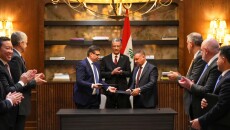
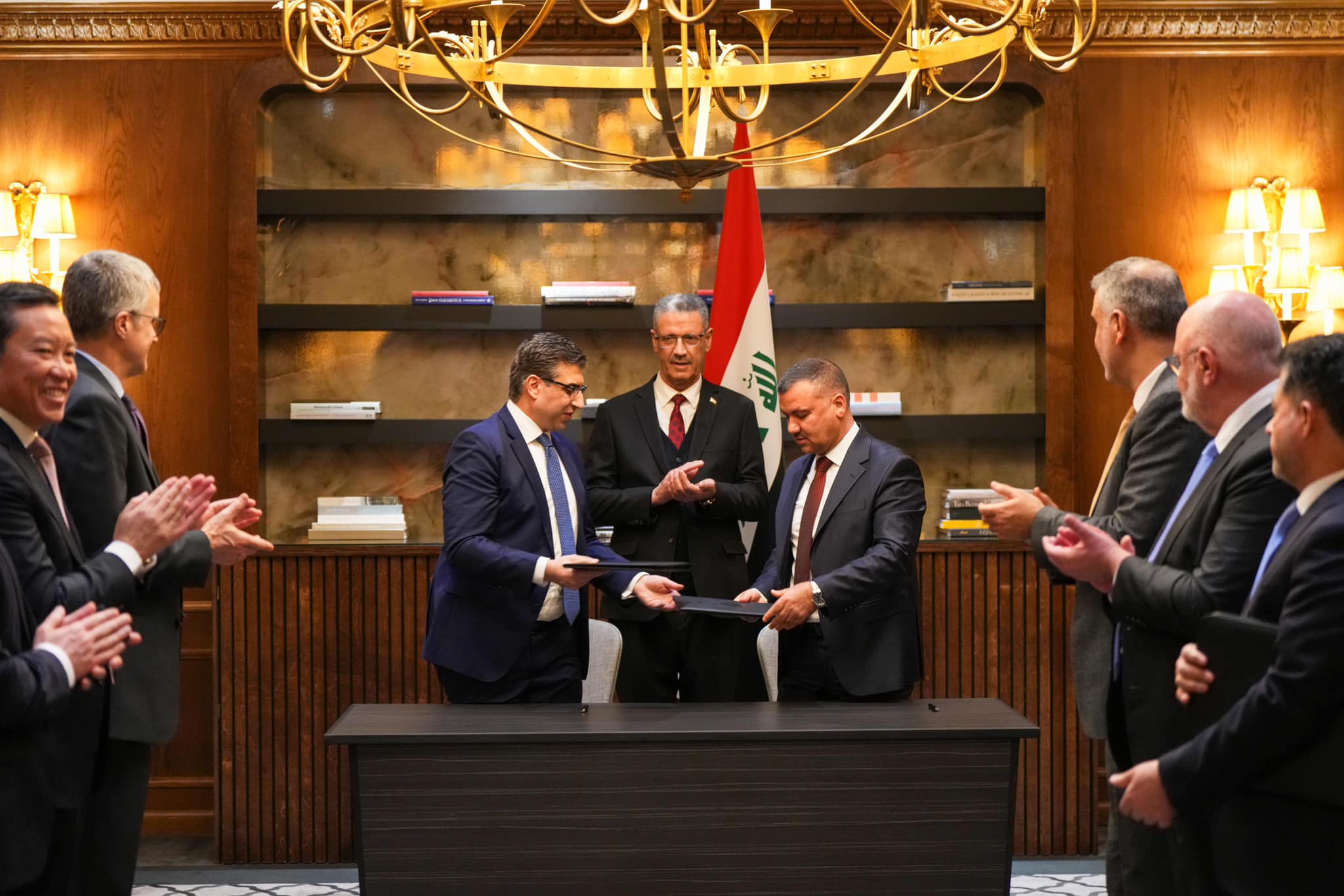
Earlier, on January 15, 2025, Iraq signed a deal with BP in London to rehabilitate and expand four oil fields in Kirkuk under the North Oil Company.
According to a government statement, the agreement is designed to boost production and optimize oil and gas output levels.
On March 31, 2025, Basim Mohammed, Deputy Oil Minister for Extraction Affairs, stated that the deal aims to increase production capacity in these fields to 420,000 barrels per day. The targeted fields include Avana, Bai Hassan, Jambur, and Khabbaz, compared to the current output of 308,000 barrels daily.
He added that the agreement will last for 25 years, with an option to extend it by another five years. Beyond oil production, the contract also covers investment in associated gas from North Gas Company fields, with a projected capacity of up to 400 million standard cubic feet per day over 16 years. It also includes plans to assess, upgrade, and expand gas infrastructure to better utilize natural gas resources and reduce flaring.
Kirkuk, a northern city rich in oil resources, is home to approximately 1.77 million residents, including Arabs, Kurds, and Turkmen. Situated about 238 kilometers north of Baghdad, it is a diverse province that has long been disputed between Iraq’s federal government and the Kurdistan Regional Government (KRG).
The area contains five major oil fields—Avana, Bay Hassan, Baba Dome, Jambur, and Khabaza—making it Iraq’s second-largest oil reserve. These fields are managed by the state-run North Oil Company.