



The Patriotic Union of Kurdistan (PUK) has reportedly agreed to transfer the Kirkuk governorship to the Iraqi Turkmen Front ITF as part of the local government formation deal signed in August 2024, with indications that ITF leader Mohammed Samaan is likely to take over the position.
KirkukNow obtained this information from three informed sources representing different communities in Kirkuk. The decision is expected to be implemented in the coming months.
Sawsan Abdul Wahid, a member of the provincial council representing the ITF, told KirkukNow that the issue of rotating the governorship “has been settled and a decision has been made,” confirming that the position will go to the Turkmen community.
She noted that the Turkmen Front’s position had been clear since the beginning of the Al-Rashid Hotel agreement, despite having reservations about it. According to her, the ITF was informed that the agreement included a provision assigning the governorship to the Turkmen starting in 2026, and they have since been awaiting implementation.
She added that recent regional developments slowed progress on the implementation of the deal, but following the election of the president, discussions have resumed on how to carry out the rotation, which she said is now widely considered decided in principle.
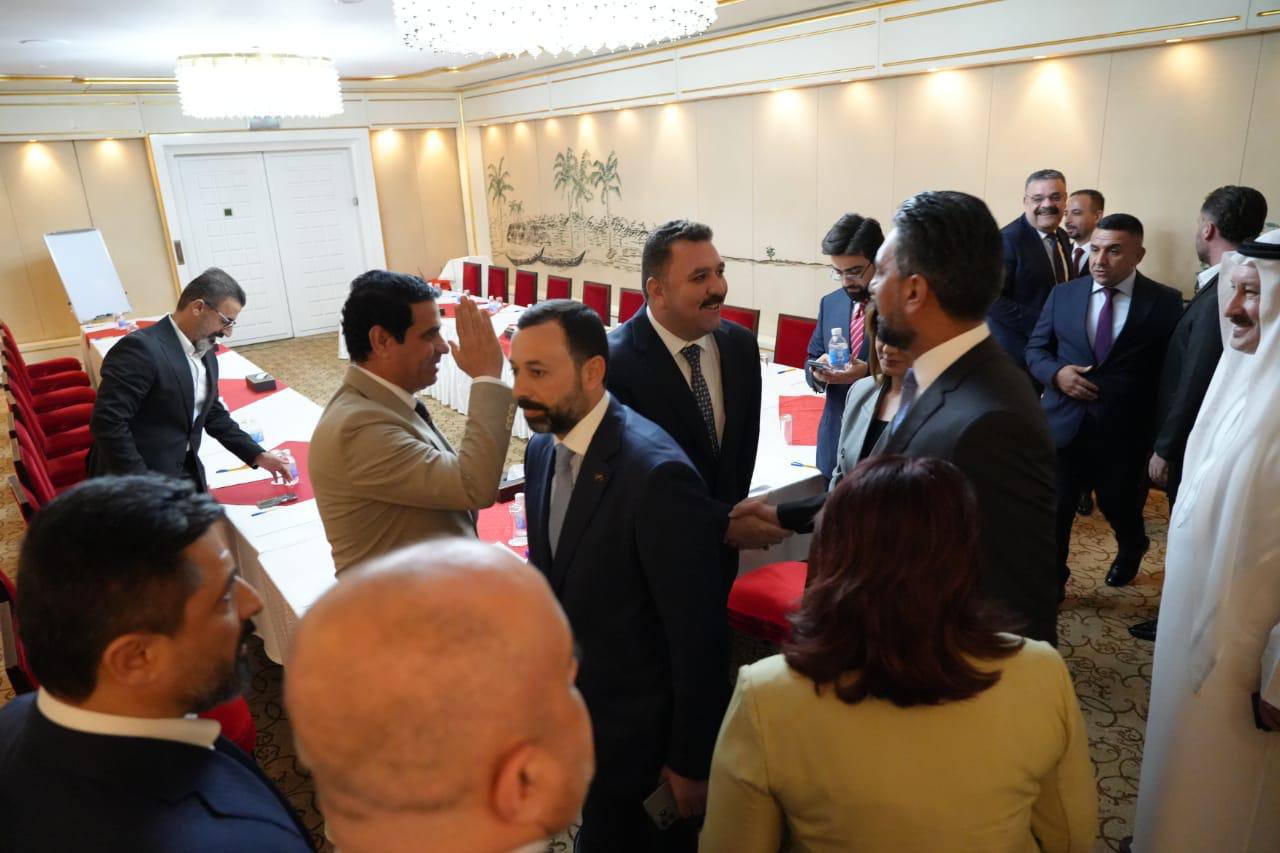
Baghdad, August 10, 2024: Appointment of the governor of Kirkuk
Under the agreement reached at Baghdad’s Al-Rashid Hotel in August 2024, the Kirkuk governorship would remain with the Kurds until December 31, 2025, then be transferred to the Turkmen as of December 2026, and later to the Arabs.
The Kirkuk local government was established on August 10, 2024, at Baghdad’s Al-Rashid Hotel, with the participation of five PUK members, two members of the Leadership List, the sole Arab representative, and the only Christian member—bringing the total to nine out of 16 council members.
However, seven other members did not take part in the agreement and remained in opposition. This group included three members from the Arab Coalition in Kirkuk, two from the Kurdistan Democratic Party (KDP), and two from the (ITF).
Raad Al-Saleh, a provincial council member representing the Arab component, confirmed the discussions on rotating the governorship and handing it to the ITF. He stated that the Turkmen candidate is expected to be Mohammed Samaan, head of the Turkmen Front.
Two senior PUK sources also confirmed the party’s agreement to the handover, with one noting they had been officially informed of the decision.
The Kirkuk local government agreement is part of a broader arrangement covering key administrative posts in the province, including district governors, sub-district directors, general directors, and department heads.
Al-Saleh said that under the rotation agreement, the provincial council presidency would go to the Kurds, but he expressed concern over the arrangement, arguing that the Arab component would be disadvantaged by the transfer of the governorship, especially since, in his view, the Turkmen Front was not originally part of the government formation deal.
He added that if implemented, the rotation would extend across all major positions.
The northern, oil-rich, ethnically mixed province of Kirkuk is home to approximately 1.77 million Kurds, Turkmen, and Arabs. Located 238 kilometers north of Baghdad, it has long been at the center of disputes between the federal government in Baghdad and the Erbil-based Kurdistan Regional Government (KRG).
While Al-Saleh and PUK sources indicated that Mohammed Samaan is the likely candidate for governor, Sawsan Abdul Wahid stated that the Turkmen side is still in the process of finalizing its nominee.
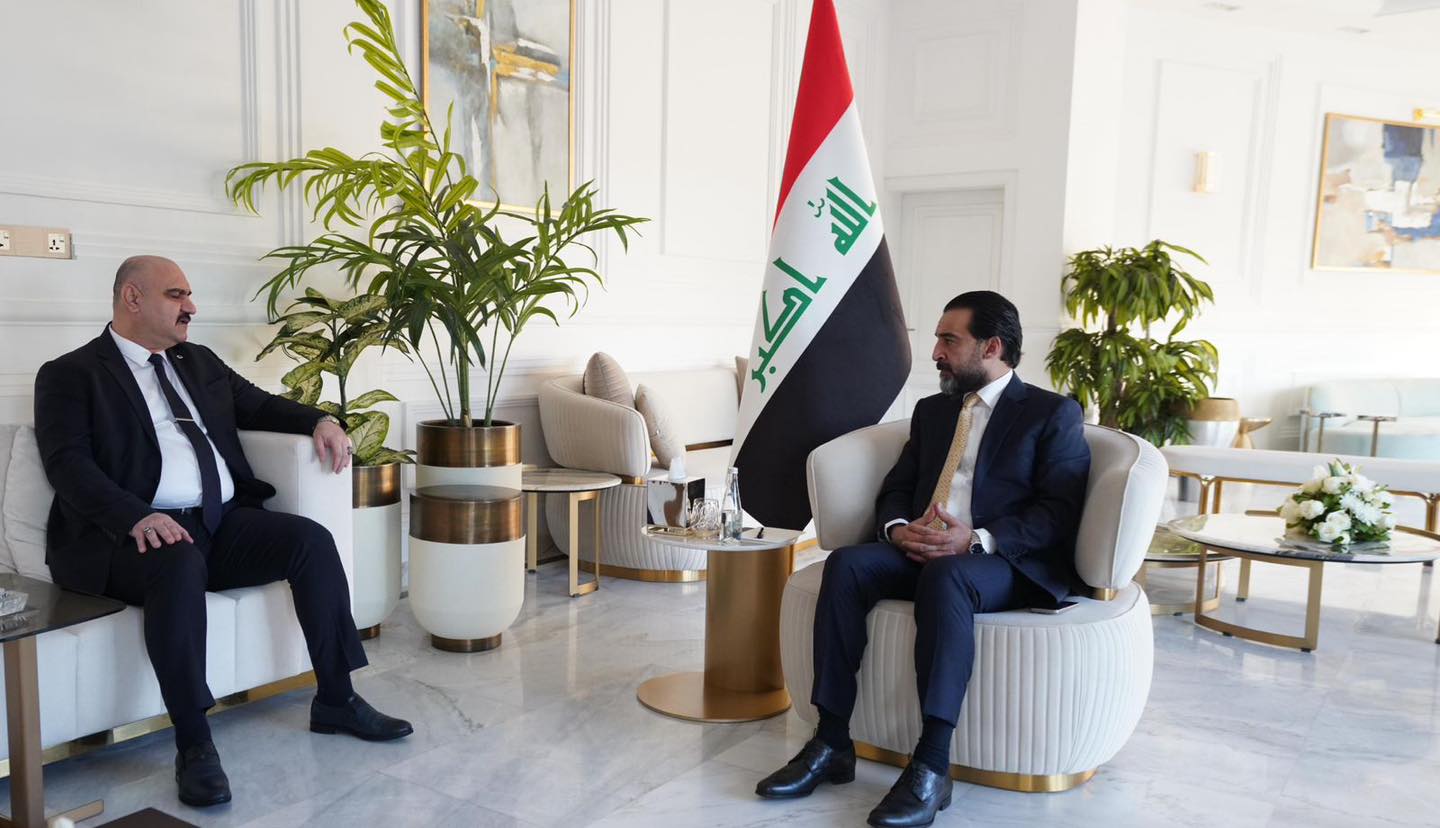
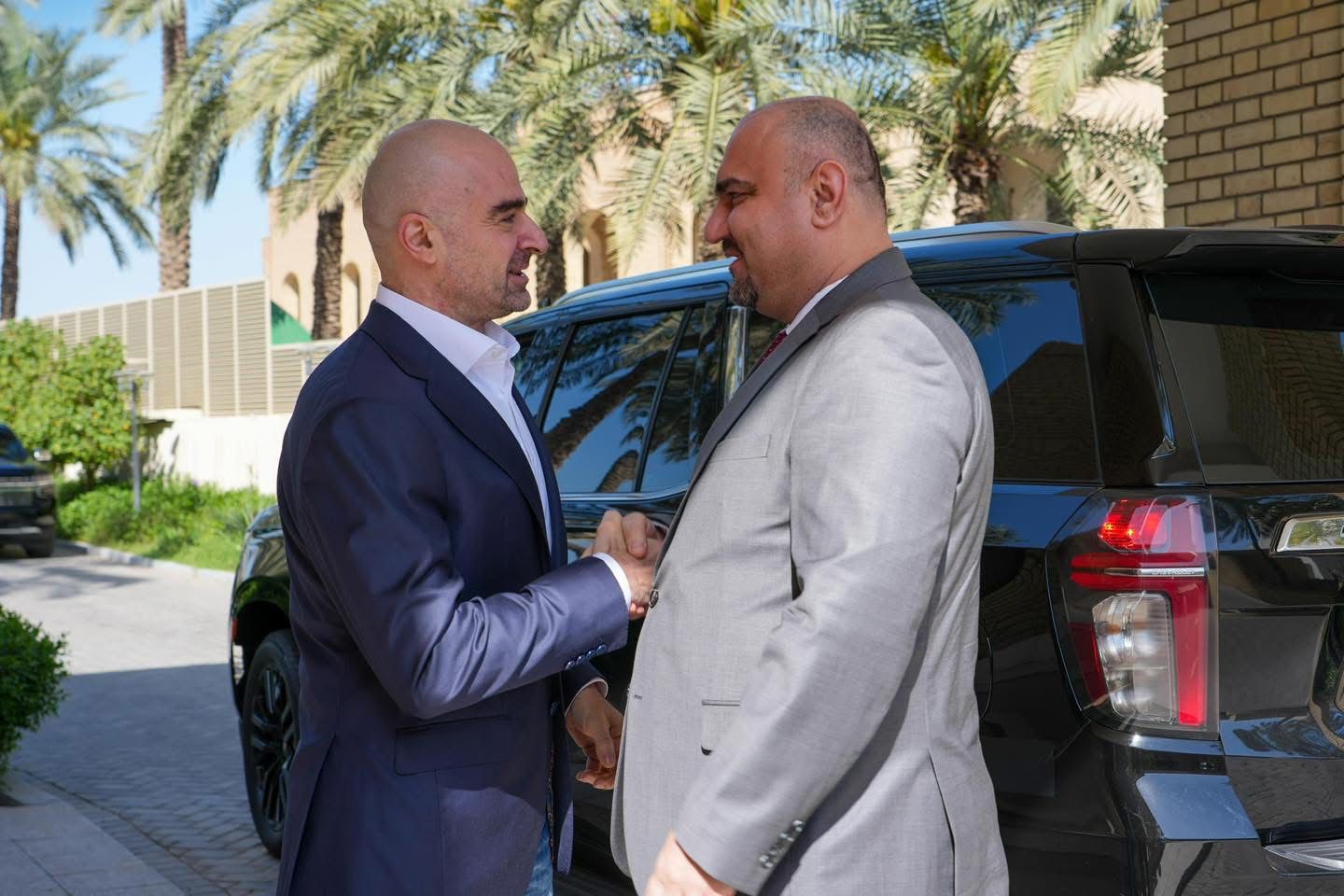
Baghdad, December 26, 2026: Mohammed Halbusi, leader of the Taqadum (Progress) Party, meets with Mohammed Samaan, head of the ITF, to discuss the exchange of positions in Kirkuk. Taqadum Party Media
PUK council member Abdullah Mirwais said the party would comply with any leadership decision but noted that no official instruction had yet been received, adding that he had only learned of the matter through media reports.
Regarding timing, Al-Saleh said the provincial council has not yet discussed implementation details, and the exact schedule for the transfer remains unclear.
Under Iraqi law, the governor is elected by the provincial council and then formally appointed by a presidential decree. Parliament recently elected the PUK candidate Nizar Amedi as president in its April 11 session.
Turkmen, the third largest ethnic group in Iraq after Arabs and Kurds, are spread across the country, residing almost exclusively in the northern towns and villages stretching from Tal Afar through Mosul, Erbil, the center of Kirkuk, and Altun Kopri district, Tuz Khurmatu of Salahaddin, and Kifri and Khanaqin in Diyala. They are all Muslims, half Sunnis and half Shiites.
Though there are no official records about the Turkmen in Kirkuk, the Turkmen political parties say there are over 200,000 Turkmen voters in Kirkuk.
Sawsan added that all communities should receive their share of representation, and expressed support for broader participation, including by the Kurdistan Democratic Party (KDP).
Responding to concerns about inter-party dynamics, she said assuming positions would not come at the expense of the Arab component, stressing that “the rotation details were agreed upon from the outset of the deal.”