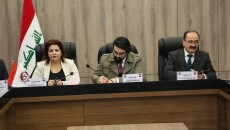



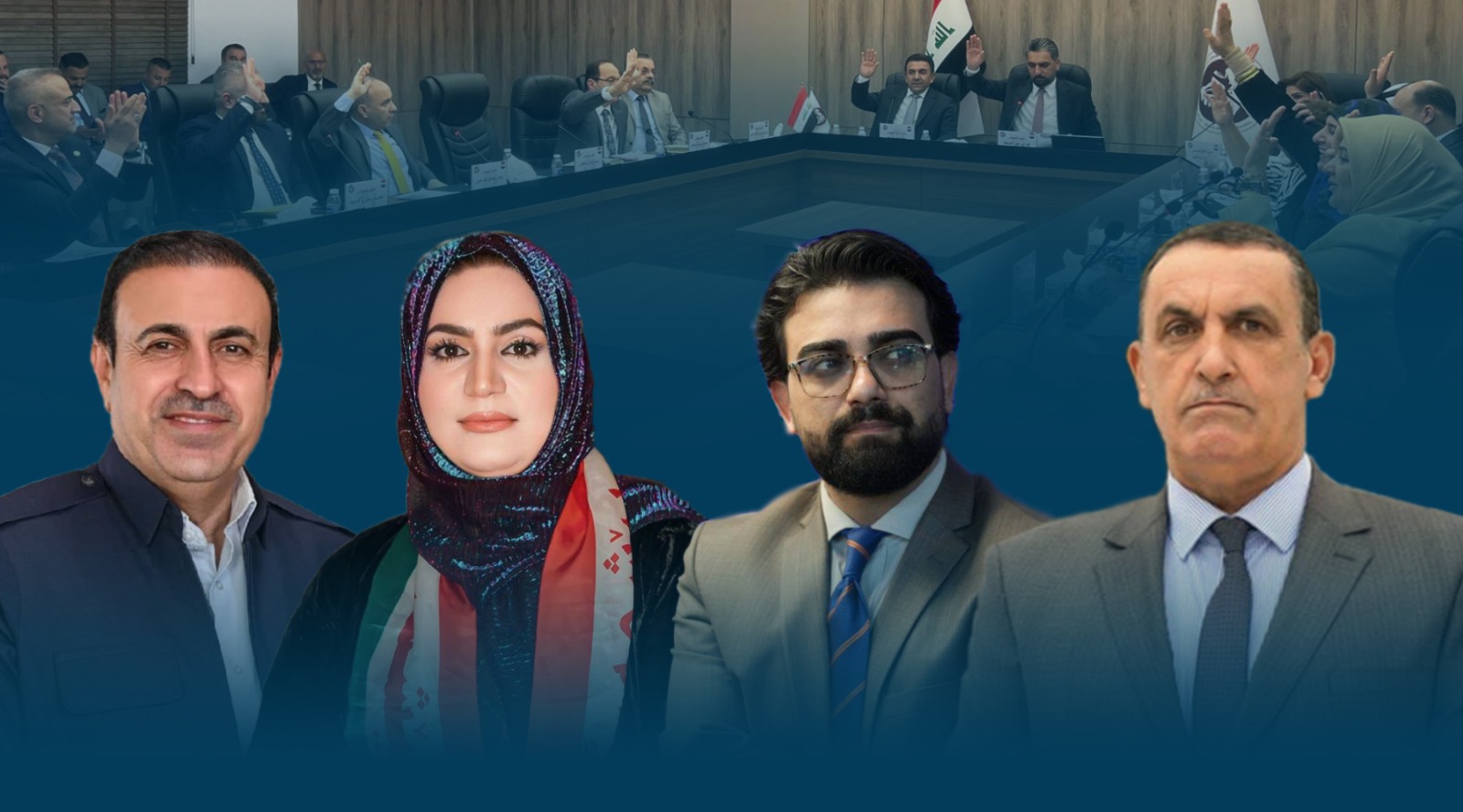

A recent session of the Kirkuk Provincial Council was marked by political disagreements, member absences, and several important decisions.
The meeting, held on Wednesday, May 6, 2026, began with a dispute between Council Speaker Mohammed Hafez and council member Ahmad Kirkuki regarding the recording of discussions on mobile phones.
Kirkuki, a member of the Patriotic Union of Kurdistan (PUK) faction, attempted to film discussions related to the opening of electricity distribution directorates in Hawija, Daquq, and Dubz districts. Following the disagreement, he left the session.
In a statement afterward, Kirkuki said he opposes “restrictions on council members’ activities “unless supported by clear legal grounds.” He also defended his right to document and share council discussions within legal limits.
After his departure, 12 out of the council’s 16 members remained in attendance. Rakan Saeed Juburi, head of the Arab Coalition faction, along with two members from the Kurdistan Democratic Party (KDP), were also absent from the meeting.
Under the agreement reached at Baghdad’s Al-Rashid Hotel in August 2024, the Kirkuk governorship would remain with the Kurds until December 31, 2025, then be transferred to the Turkmen as of December 2026, and later to the Arabs.
The Kirkuk local government was established with the participation of five PUK members, two members of the Leadership List, the sole Arab representative, and the only Christian member—bringing the total to nine out of 16 council members.
During the session, Ahmad Ramzi was elected head of the Security and Defense Committee, while Sawsan Jadoo became head of the Balance Committee. These positions had previously remained vacant because the members involved were participating in a boycott.
Nashat Shawez, deputy speaker from the (PUK), explained that the council aimed to redistribute the 14 committees fairly after several boycotting members returned. Five of the seven members who had previously boycotted the council — including three Arab and two Turkmen representatives — have now resumed participation, leaving only the KDP faction continuing the boycott.
According to council regulations and provincial law, any member absent from four consecutive sessions or one-fourth of meetings within four months without valid justification can be considered resigned, although this rule has not yet been enforced.
The council also approved the use of food ration cards and residential information cards as key documents for resolving issues related to the recruitment of 7,000 contract employees. The hiring process has been delayed for months, and final results are still pending.
Another major decision involved replacing directors of government offices who have served for more than four years, whether in acting or permanent positions. New candidates must belong to the same ethnic group as the outgoing directors and meet standards of competence and integrity.
In addition, Marwan Ani, deputy head of the Iraqi Journalists Union’s Kirkuk branch, addressed the council about journalists’ rights. Members later voted to separate land allocated to journalists from the province’s main land map.
The council stated that it would continue monitoring and legislating on matters related to stability and reconstruction in Kirkuk. Officials also confirmed continued support for volunteer teachers by sending a letter to Iraq’s Council of Ministers requesting implementation of teachers’ demands.
The northern, oil-rich, multi-ethnic Kirkuk Province, home to more than 2.34 million people, remains one of Iraq’s disputed territories between the federal government and the Kurdistan Regional Government. Its future status is tied to Article 140 of the Iraqi Constitution, which outlines a process involving normalization, census-taking, and public referendums.