



For the past three years, Badr Suleiman has lived with uncertainty. Although his grandmother's remains were recovered from a mass grave, they remain at the Baghdad Forensic Medicine Department awaiting DNA identification.
Financial constraints and administrative delays have prevented her remains from being returned to the family.
"We are still waiting for the DNA results so we can finally receive her remains," Badr said. "There has been no real progress. Every day we live with uncertainty. One of my sisters is still missing, while the remains of our relatives remain in Baghdad."
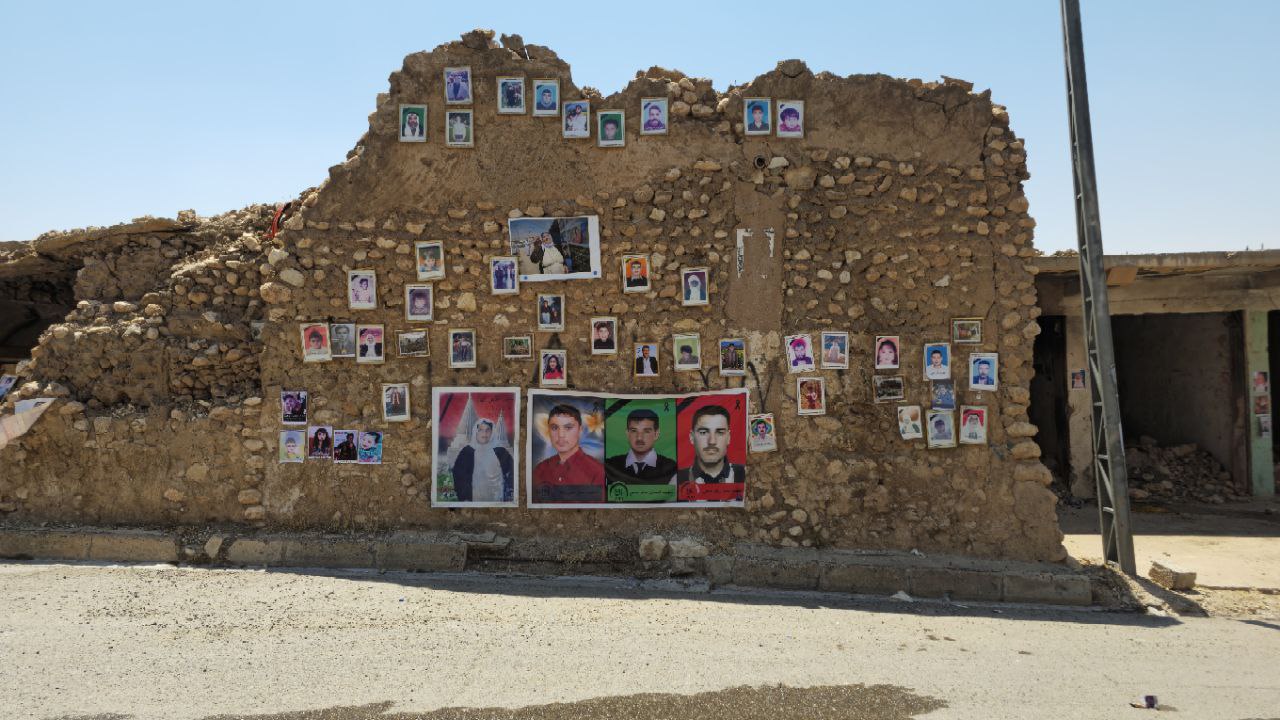
Badr is from Kocho, the Ezidi (Yazidi) village where the extremist militants of the Islamic State of Iraq and Syria ISIS carried out one of its most notorious massacres in 2014. His grandmother was among a group of Ezidi women abducted by ISIS militants. Her remains were discovered in 2023 in a mass grave in the Solagh area, east of Shingal in Nineveh Governorate.
When ISIS attacked Shingal and surrounding villages in August 2014, 1,293 Ezidis were killed and more than 6,000 were abducted. More than 2,500 abductees are still missing, and their fate remains unknown.
Badr's experience reflects the struggles of 479 Ezidi families whose relatives' remains remain unidentified because the Iraqi government has yet to release four billion Iraqi dinars IQD ($2.6M) previously allocated to support forensic examinations.
Many Ezidi families view the prolonged delay as another injustice added to years of suffering. They argue that withholding funding demonstrates a lack of attention to their community's needs.
"There is discrimination," Badr said. "We hear that funds are available to identify the remains of other victims, but not ours. That only deepens our frustration."
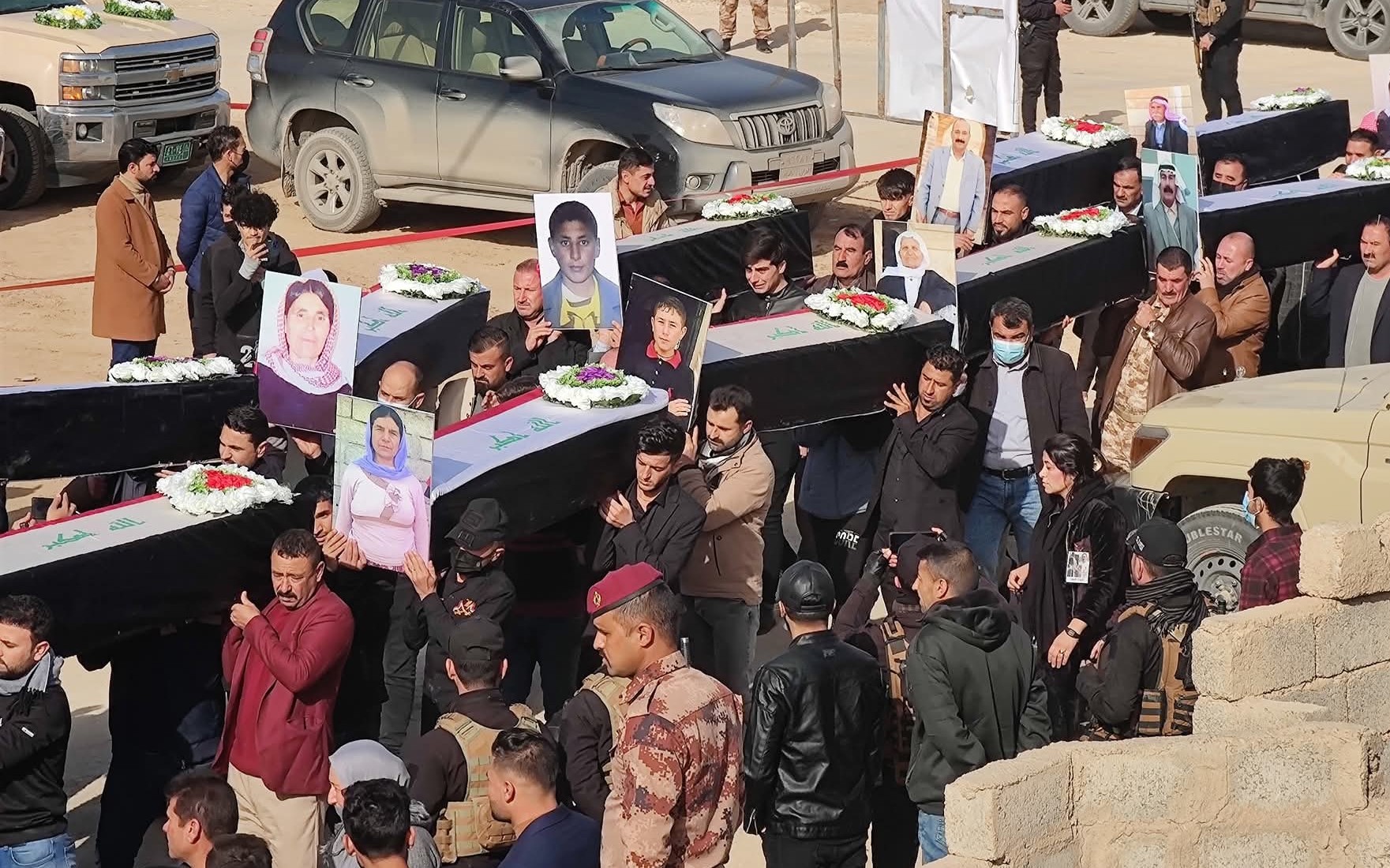
More than 80 mass graves and dozens of individual graves have been documented across Shingal. The first excavation began in Kocho on March 15, 2019. Since then, forensic teams have recovered the remains of 776 victims and transferred them to Baghdad for identification. So far, 297 victims have been identified, while 479 sets of remains are still awaiting forensic confirmation and return to their families.
According to Khairi Ali, head of the Petrichor Human Rights Organization in Shingal, international organizations continue to provide financial and technical assistance to Iraq's forensic authorities. Nevertheless, the identification process remains slow.
"Although organizations continue to provide support, only 77 mass graves have been excavated, while another 22 still need to be opened," Ali said. "There are clear shortcomings throughout the process."
The most recent group of identified victims was returned to Shingal and reburied in August 2025.
Badr previously received the identified remains of his father, brother, and uncle in 2020. He hopes his grandmother and other missing relatives will soon receive the same dignity.
"No one is helping us," he said. "We have no one but God."
Officials identify the suspension of government funding as the primary reason for the delays, although they acknowledge additional technical obstacles.
Khaled Sido, a member of the Iraqi Parliament representing the Ezidi community, rejected claims that the delays are based on ethnic or religious discrimination.
"Everyone is facing the same situation," Sido said, noting that the identification of victims from the Speicher massacre and other cases has also stalled.
He explained that while the government previously allocated four billion dinars annually to forensic medicine, those funds have not been released for more than a year.
"The suspension of funding is a major reason for the delay," Sido said. He also cited shortages of DNA samples from some victims' relatives and technical problems affecting forensic equipment.
Khairi Ali disputes that explanation, insisting that DNA collection has already been completed.
"The families have fulfilled all the required procedures," he said. "Some have even provided samples twice. The records have been reviewed, and there is no shortage of blood samples."
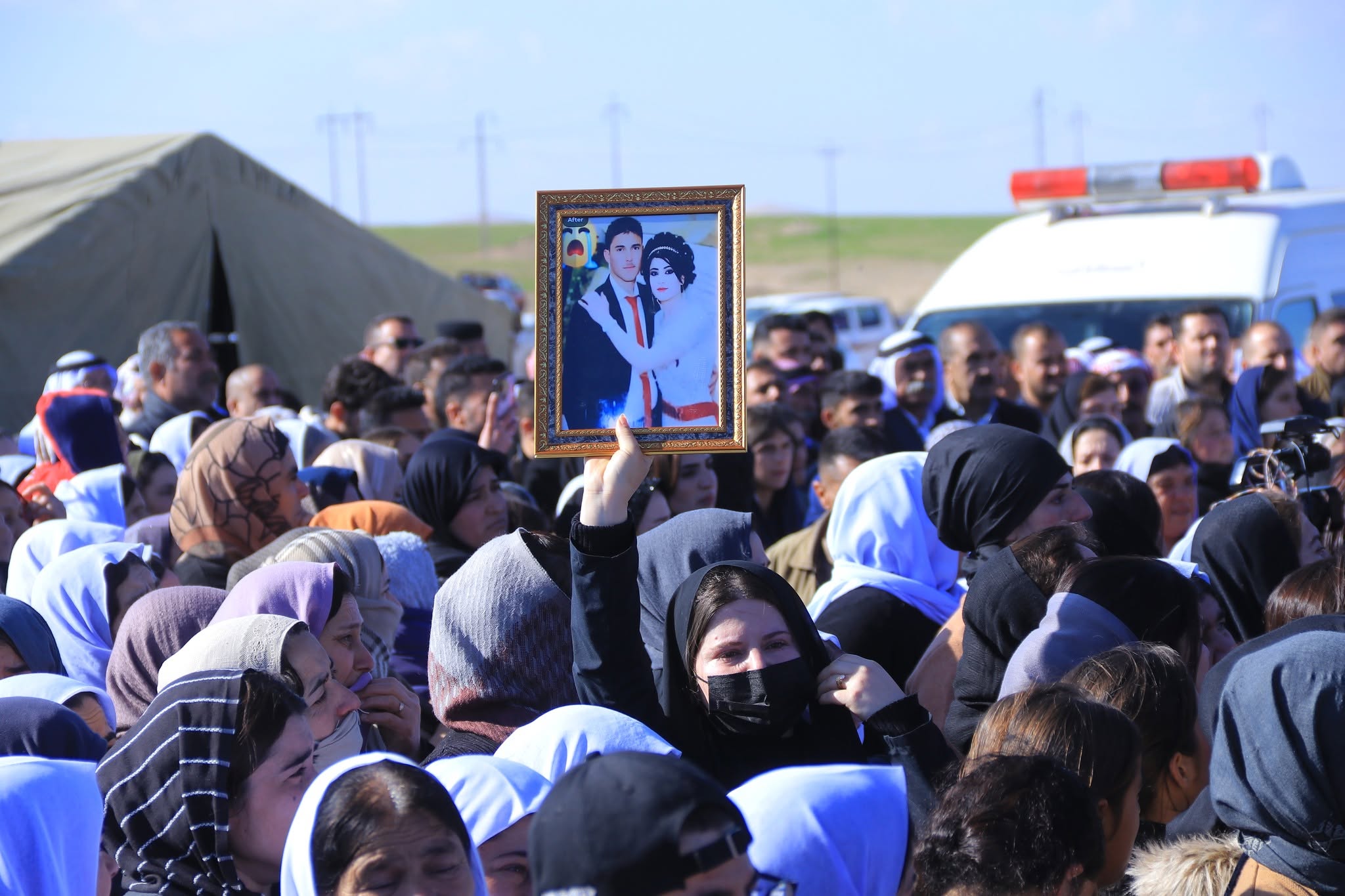
Beyond the emotional toll, the delays have placed a significant financial burden on Ezidi families, many of whom continue to live in displacement camps or communities devastated by war. Repeated trips to Baghdad to follow up on identification procedures has become increasingly difficult for families already struggling economically.
Sido pledged to continue pressing the government to resolve the issue.
"We are working to restore the annual funding allocated to forensic medicine," he said, "and to complete the identification and return of the victims' remains to their families."