



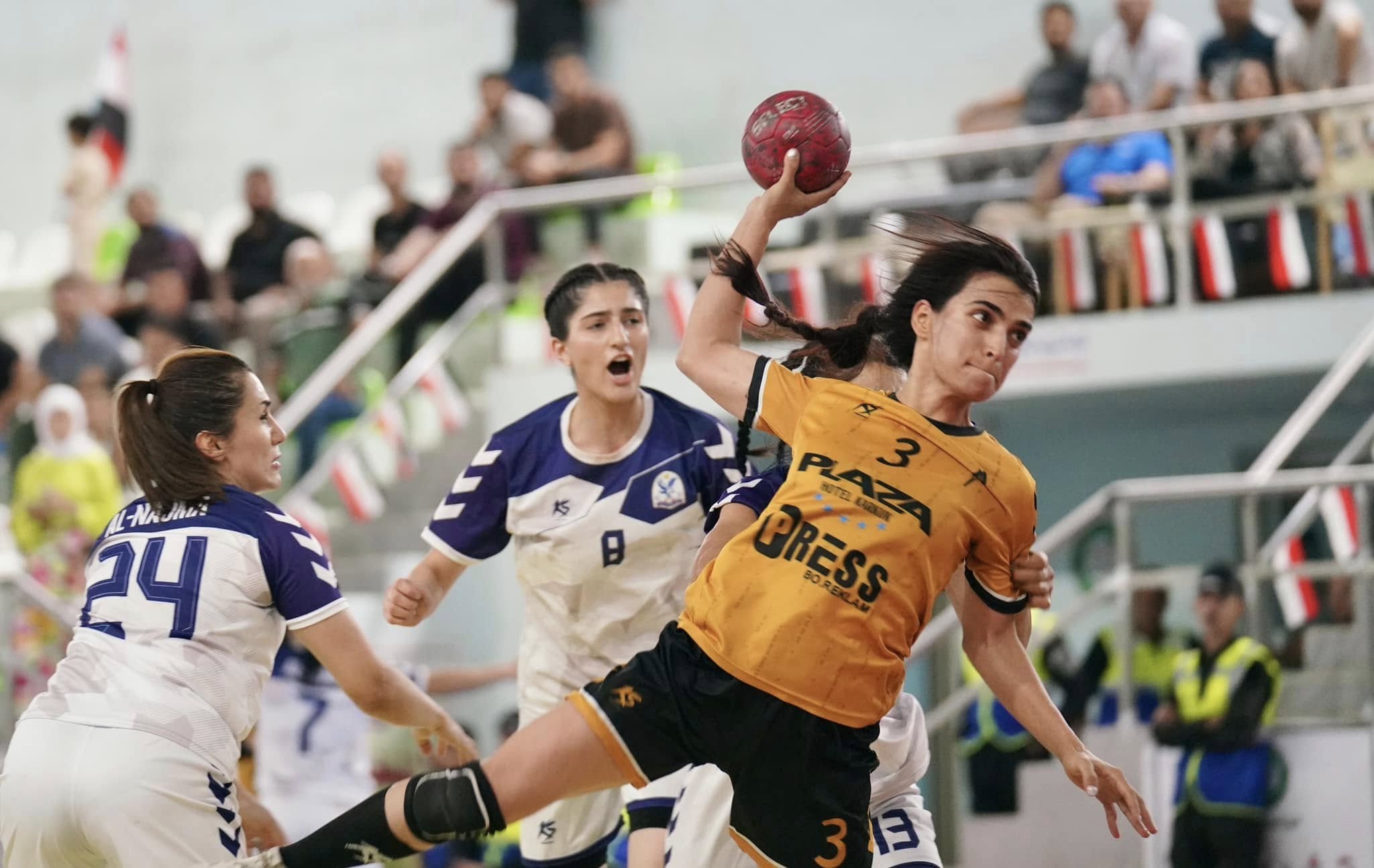

Kirkuk’s Fatat women’s sports club was once a symbol of ambition and achievement. Its athletes trained intensely, competed at national and regional levels, and dreamed of building successful sporting careers. Today, however, a lack of financial support has brought much of the club’s activity to a standstill.
Gunul Aziz, captain of Fatat’s handball team, says the players have barely been able to train as a group for the past two years. Most training is now done individually, with only occasional small-group sessions.
“We haven’t had proper team training for two years,” Aziz said. “We sometimes gather a few players for training, but as a team, there is almost nothing.”
Fatat is the only major sporting outlet for girls in Kirkuk, and its record reflects years of success. The club won the Iraqi handball championship 2024-2025 and has earned medals in other sports, including taekwondo. But despite these achievements, the club is now struggling to remain active.
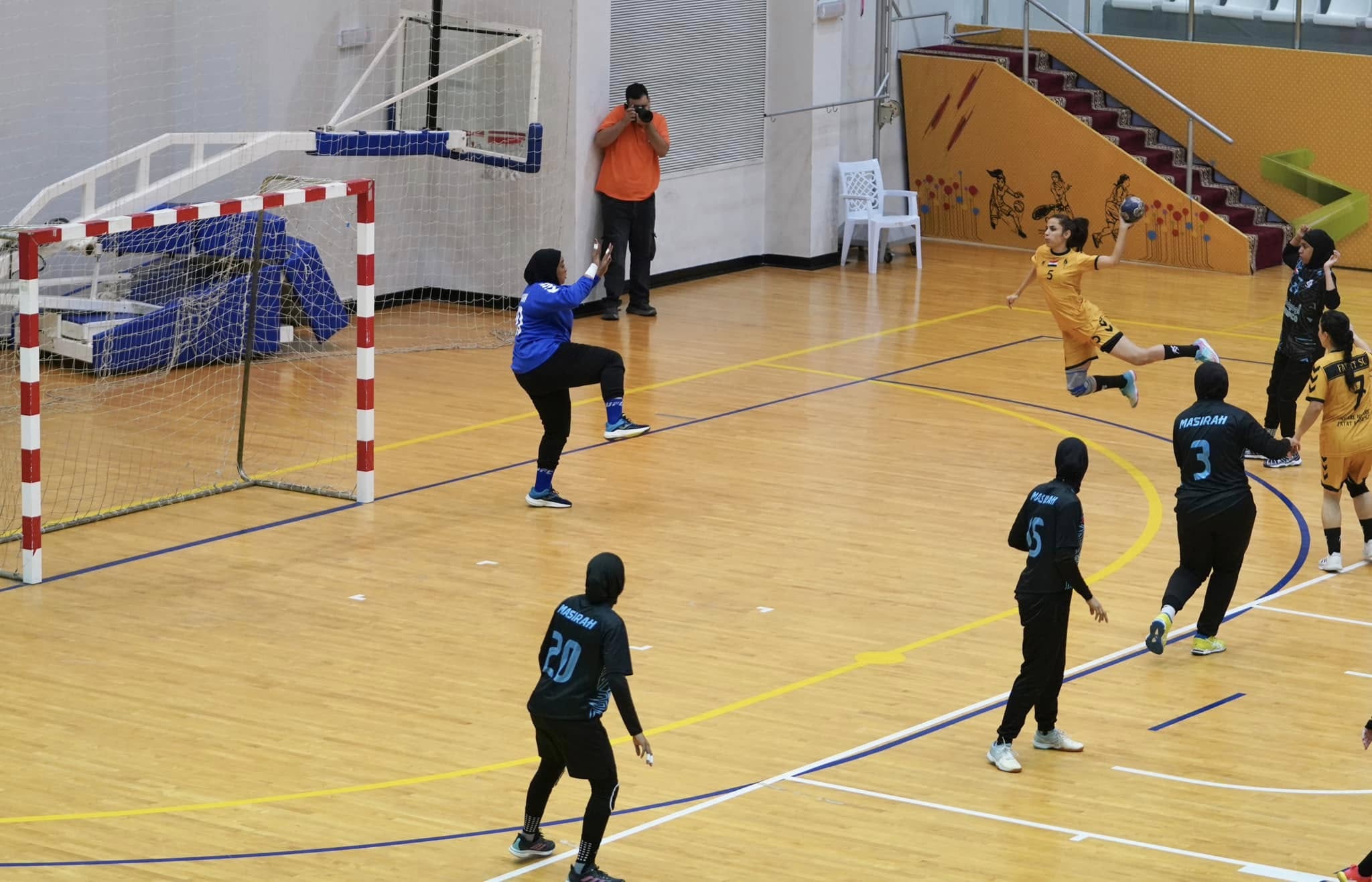
The team withdrew from this year’s Iraqi handball league despite having previously won the championship. It has also stopped participating in leagues organized by the Kurdistan Regional Government (KRG). Other sports at the club—including athletics, wrestling, gymnastics, taekwondo and running—have also been affected.
“Our situation is not good at all. We have no financial support, and we have even stopped training,” Aziz said.
According to Fatat president Zainab Abdul Amir, the Iraqi government has not provided the club with funding for three years. Earlier this year, the KRG also informed the club that it could no longer maintain regular financial support.
“We were caught between both sides while we are Iraq’s champion,” Zainab said.
She explained that the KRG previously supported 12 sport teams in Kirkuk, but those teams have now been suspended because of financial difficulties. The suspension of club funding has affected sports organizations across the Kurdistan Region.
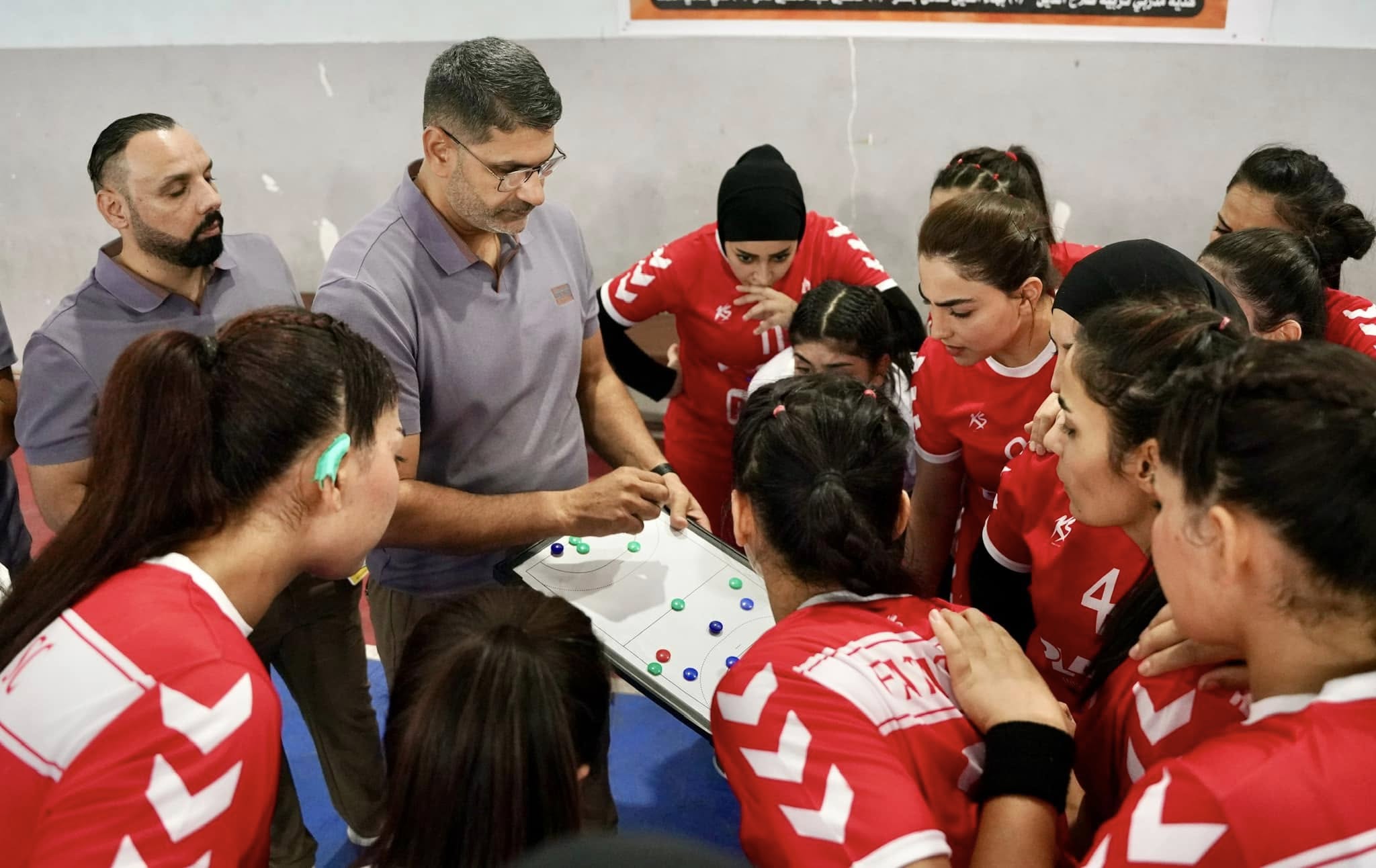
Sardar Ismail, director general of sports at the KRG Ministry of Culture and Youth, confirmed that the allowances for the clubs had been suspended temporarily because of financial pressures. In the past, clubs received between five to 20 million Iraqi dinars ($14,000) per month.
“The suspension of the grants for the 12 clubs in Kirkuk is temporary and intermittent because of the financial situation. We try to provide them with support from time to time,” Ismail said. He added that the policy applies to clubs throughout the Kurdistan Region, not only those in Kirkuk.
The financial crisis has had a direct effect on Fatat’s athletes. Without funding, the club cannot cover basic expenses such as transportation, much less player contracts and other costs associated with competition.
“Our main problem now is transportation,” Aziz said. “There are no vehicles or other means of transport. We just need enough money to pay for a driver and a car so the players can travel to training and matches.”
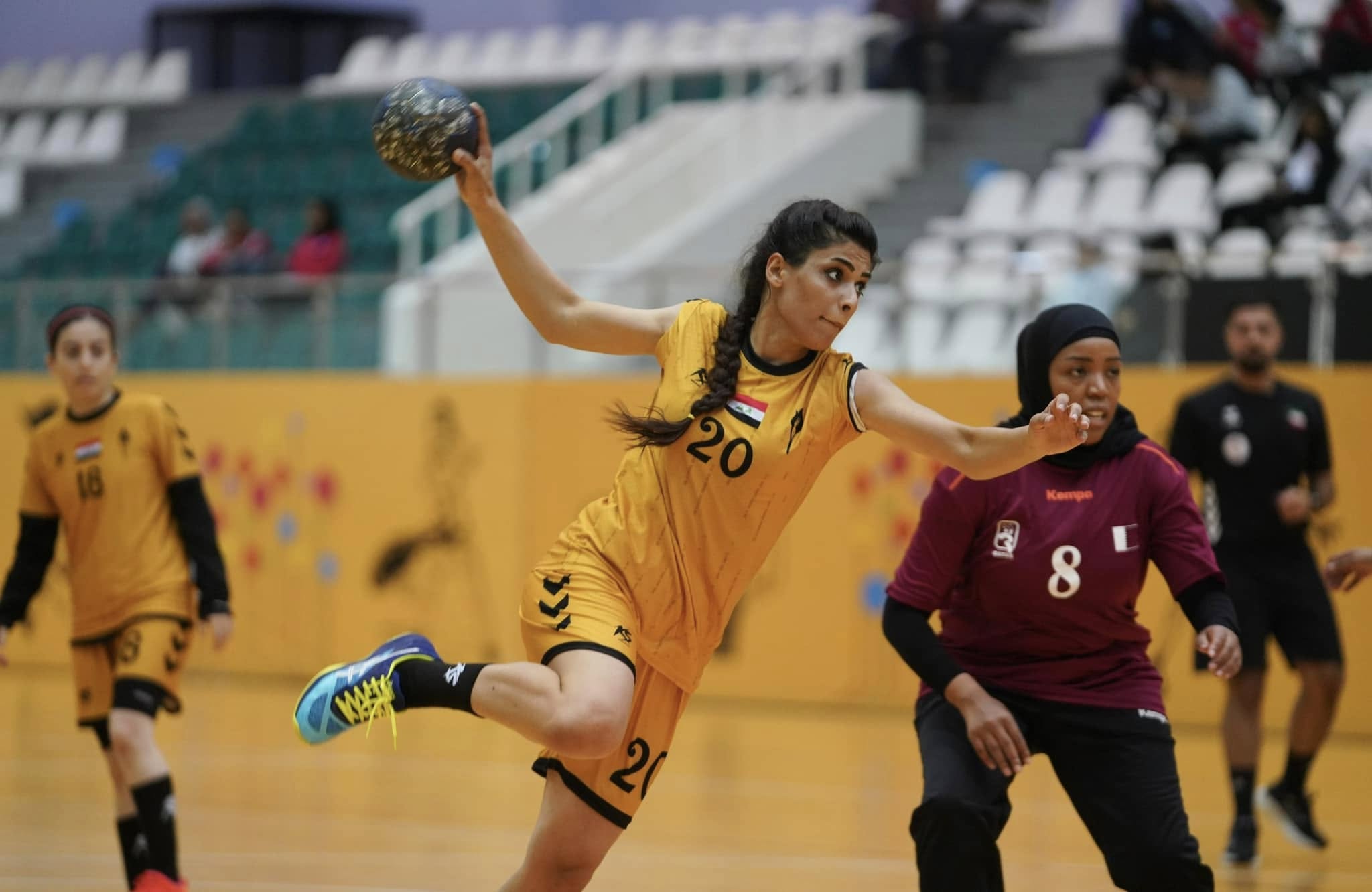
She said some players are unable to attend training because they lack transportation, while some families are uncomfortable allowing them to travel without transport arranged by the club.
Despite the difficulties, Fatat continues to produce talented athletes. In March 2025, one of the club’s leading players, Iman Maghdid Zangana, signed with Oman’s Masira club, becoming one of the few Iraqi female athletes to secure a professional contract abroad.
Aziz says the club does not necessarily need a large amount of money to restart. Even limited assistance could allow the players to reunite and resume regular training.
“Our club is full of talent and potential,” said Fatat player Rusul Faisal. “The girls are very enthusiastic about playing for this club, but the financial situation is preventing them from doing so.”