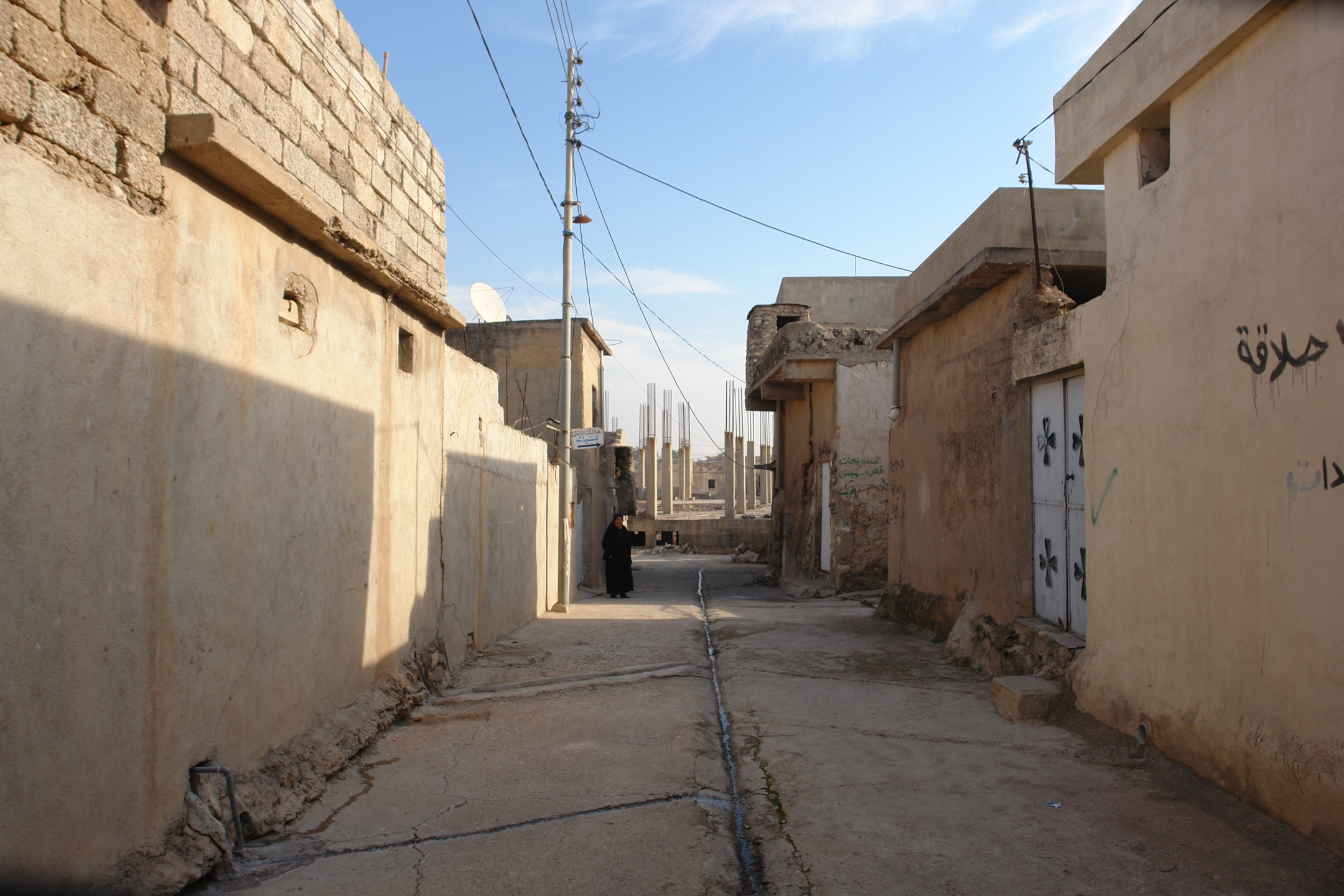

For women in Alqosh, located in the Nineveh Plains, securing employment has become a major challenge. The area has a shortage of factories and private-sector businesses, while government employment opportunities, which once provided a significant source of jobs, have become extremely difficult to obtain, leaving women with fewer options for work.
Over the past decade, Alqosh has experienced conflict and violence. Many residents were forced to leave their homes during the war against the Islamic State of Iraq and Syria ISIS, and after returning, they encountered a serious lack of employment opportunities.
“Finding a job is our main concern, but nobody listens to us,” says Maryam Salar, an engineering graduate who is among thousands of women and girls in the sub-district currently seeking employment.
Maryam explains that even students who are still completing their education feel discouraged and worried about their future when they realize how challenging it is to obtain a government position or find work elsewhere.
Alqosh is a large area consisting of 34 villages and three residential complexes. Administratively, it belongs to Tilkef District in the Nineveh Plains. Its population includes different ethnic and religious communities, while agriculture and livestock raising remain the main sources of livelihood for many villagers.
“Employment opportunities in our sub-district are very limited,” Maryam says, “forcing most young women to remain at home.”
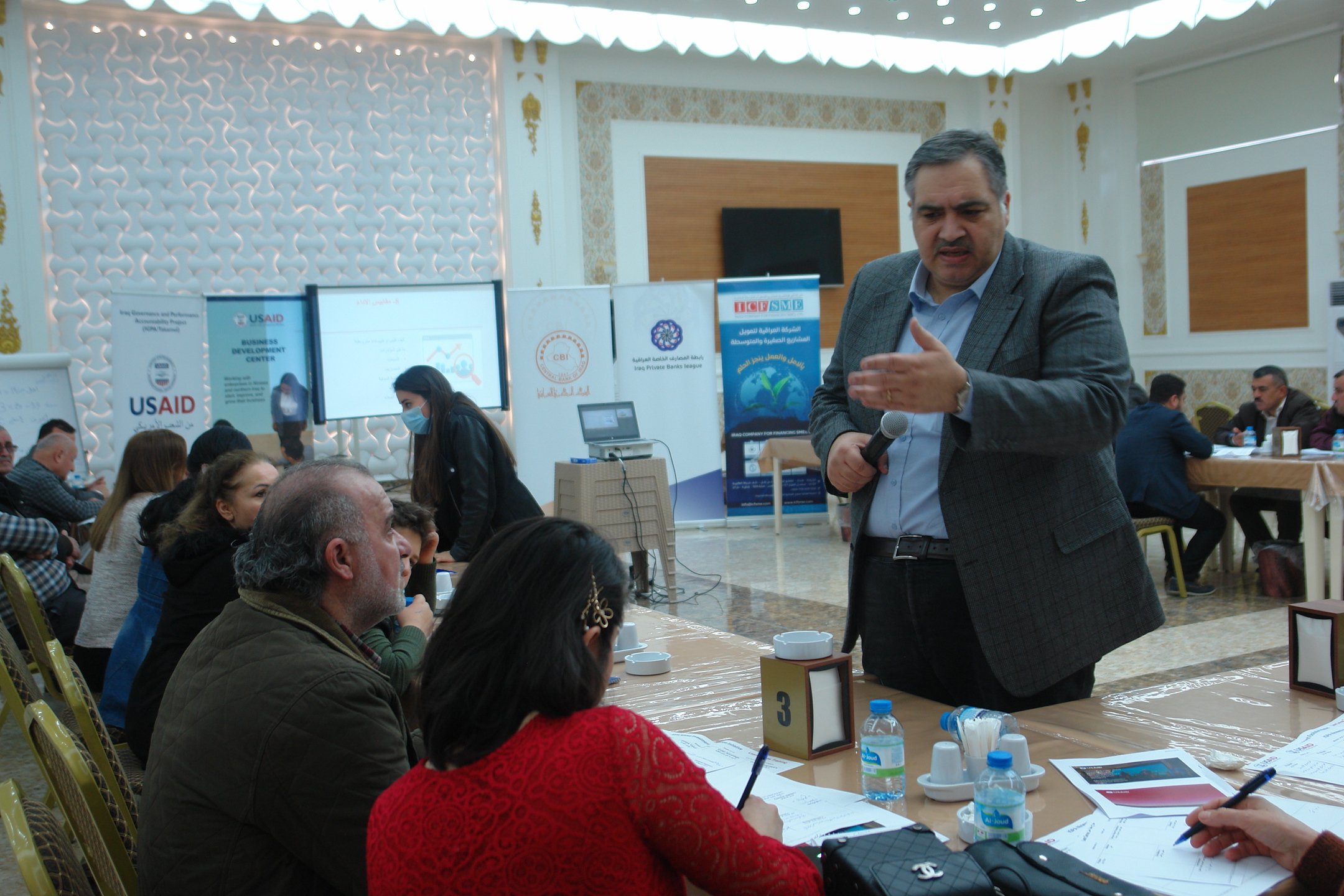
According to earlier statistics from the Alqosh branch of the Kurdistan Workers’ Union, over 70 percent of women and girls in the sub-district are unemployed, and some have been forced to migrate elsewhere in search of work.
“We do not know which authority we should contact to have our voices heard. Alqosh is not a place where we can easily communicate our concerns and demands,” Maryam says.
Rasha Wade’a Aziz, a Christian woman from the area, served as the head of the Alqosh branch of the Kurdistan Workers’ Union until three years ago. The union was the only organization women could approach for assistance with finding employment. However, its local branch has since closed.
“The Workers’ Union told us that they could no longer financially support our branch, so we were forced to close the office,” Rasha explains. “For the past three years, women and girls in this area have lost their only source of hope.”
Walat Ozmani, head of the Duhok branch of the Kurdistan Workers’ Union, explains that although the Alqosh branch has shut down, the union continues to represent the Nineveh Plains region. However, he says they cannot maintain physical offices because they lack the financial resources to pay rent. He also notes that they have no communication with officials in the Nineveh administration about creating employment opportunities, adding that officials do not even recognize their organization.
Nineveh Governorate, where the Alqosh sub-district is located, is among the Iraqi provinces with high unemployment rates. Despite this, the economic situation has shown some improvement, with the proportion of residents living below the poverty line estimated at no more than 15.5 percent. According to figures from the Central Statistical Organization within Iraq’s Ministry of Planning, the unemployment rate in Nineveh has declined to 19.2 percent, compared with an earlier estimate of 35 percent.
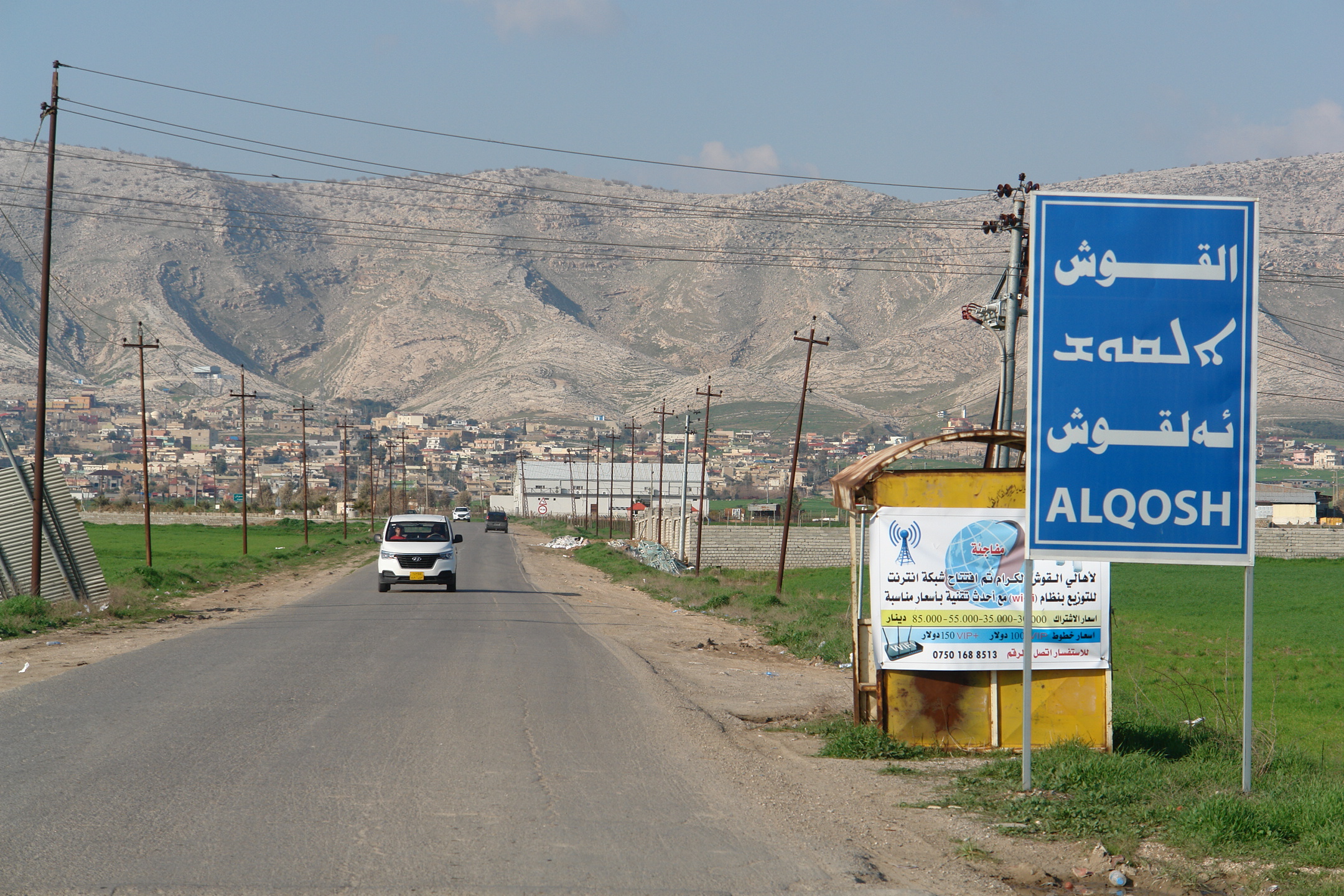
In previous years, civil society organizations launched several initiatives to encourage young people from all backgrounds to seek employment and supported small business owners in creating job opportunities. However, these initiatives have declined considerably over time.
For example, the Iraqi Women’s League previously supported several small projects and helped generate employment opportunities for women in Alqosh, but its activities in the area have also come to an end.
Shamiran Odisho, director of the Iraqi Women’s League, says that unemployment among women and girls in Alqosh continues to increase because the area lacks factories and commercial establishments capable of providing jobs. She also explains that the sub-district has been neglected and is caught between the federal government and the Kurdistan Regional Government, with local residents bearing the consequences.
She further states that international organizations are no longer operating in the Nineveh Plains, as most of their projects have shifted to southern Iraq.
Maryam, an engineer who has been searching for employment for several years, says that some young women have to travel to Mosul or Duhok to find jobs. However, this creates further difficulties, since “accommodation and transportation costs can often exceed the wages they would receive, making employment financially challenging.”