
Delayed monthly salary payments and persistent economic hardship have pushed majority of households in the Kurdistan Region of Iraq KRI into increasingly difficult financial circumstances, significantly affecting their income and living standards.
A recent study highlights how women have been disproportionately affected, experiencing greater psychological pressure and sacrificing their personal needs to meet their families' basic requirements.
The findings come from a study conducted by the High Council for Women and Development in the Kurdistan Region, with support from UN Women, entitled “The Impacts of Salary Delays and Budget Cuts on Households: A Gender-Based Analysis.”
The research covered 400 households and included interviews with government officials across the region's governorates and independent administrations. It examined the consequences of delayed public-sector salaries, revealing that the problem has developed into a prolonged socioeconomic crisis rather than a temporary financial setback, with serious implications for household welfare and social equality.
The Kurdistan Region has experienced economic difficulties since 2014, largely due to regional developments and continuing financial and political disagreements with the federal government in Baghdad. These circumstances have contributed to irregular salary payments, wage deductions, and the withholding of portions of public employees' salaries, negatively affecting local markets and the implementation of public service projects.
89% of households living in rented accommodation struggled to pay their monthly rent
Household Financial Stability Under Growing Pressure
The findings demonstrate the extent to which delayed salaries have undermined household financial security throughout the Kurdistan Region. Many families have accumulated debts, exhausted their savings, and been forced to sell personal possessions and valuable assets to cover basic living expenses.
According to the study, 91% of respondents reported difficulties meeting their everyday expenses, while 89% of households living in rented accommodation struggled to pay their monthly rent. Additionally, 87% said they were unable to save money after covering their essential needs.
The financial crisis has also significantly restricted access to healthcare. Approximately 85% of households reported being unable to afford medical treatment and hospital expenses. Meanwhile, 82% said they had reduced either the quantity or quality of their food and cut spending on their children's needs to manage household budgets.
Debt has become widespread, affecting 78% of households. Around 70% reported borrowing money from relatives or local shopkeepers to purchase food, while 56% had sold assets such as land, gold, vehicles, and household possessions to meet their financial obligations.
Beyond immediate financial difficulties, the crisis has also undermined families' ability to plan for the future. The study found that 92% of households could no longer make long-term plans, while 85% experienced psychological distress. Furthermore, 75% expressed concerns about their children's future and educational opportunities. An equal proportion said delayed salaries had contributed to disagreements and tension within their households.
In response to declining incomes, 66% of employees sought additional employment to supplement their salaries. Those dependent exclusively on their regular wages, however, increasingly faced debt and were forced to compromise on the quality of their food and other essential expenses.
The difficulties have also affected the payment of basic household bills, with 82% of families reporting that they could not settle their electricity, water, and internet expenses on time.
Women Bear a Disproportionate Share of the Economic Burden
The study identified women as among the groups most severely affected by the economic crisis, highlighting how financial instability has intensified existing inequalities within households and society.
As household resources became increasingly limited, women were frequently required to take on additional responsibilities, often at the expense of their own financial independence, personal needs, and well-being.
The research found that 88% of women experienced significant psychological pressure because of difficulties providing essential household necessities, compared with 80% of men.
Similarly, 87% of women reported sacrificing personal expenditures to meet family needs, compared with 81% of men. In addition, 82% of women said they carried the primary responsibility for managing limited household finances and maintaining domestic stability.
88% of women experienced significant psychological pressure
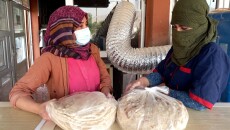
Employment opportunities also differed between men and women. While 78% of men sought additional jobs to increase their income, 55% of women turned to temporary employment and handicraft activities to support their families.
Financial hardship also affected relationships within households. Approximately 61% of respondents said economic difficulties had increased tensions between spouses and negatively affected their relationships.
The crisis has also compromised parents' ability to provide adequate healthcare and education for their children. According to the study, 76% of men and 71% of women acknowledged that delayed salary payments had directly affected their ability to meet these responsibilities.
Meanwhile, 73% of men and 72% of women reported undertaking supplementary income-generating activities, including sewing, preparing food at home, and selling handmade products.
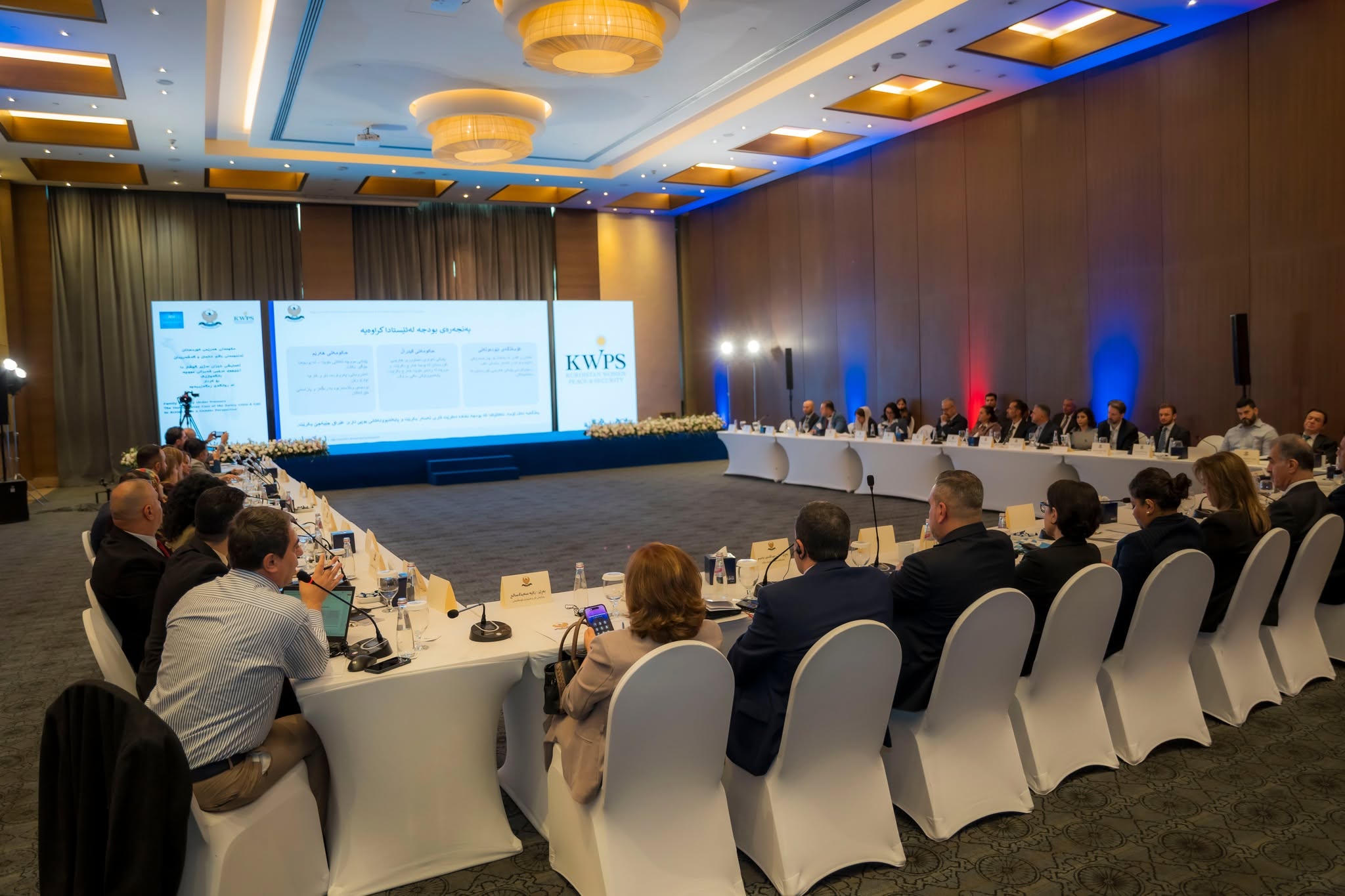
Erbil, 2026: A ceremony announcing the findings of the study. Media Office of the High Council for Women and Development in the Kurdistan Region
Halabja and Sulaymaniyah Experience the Greatest Hardship
The research also revealed significant differences in the economic impact of the crisis across the Kurdistan Region's governorates, identifying Halabja and Sulaymaniyah as the areas facing particularly severe financial pressures.
Regarding reductions in household spending, 98% of families in Halabja reported cutting expenses, followed by 95% in Sulaymaniyah, 89% in Erbil, and 86% in Duhok.
Housing costs presented another major challenge. In Erbil, 94% of tenants reported difficulties paying their rent. The corresponding figures were 89% in Sulaymaniyah, 84% in Duhok, and 70% in Halabja.
Healthcare affordability showed similarly concerning patterns. In Halabja, 95% of households said they could not afford medical expenses, compared with 91% in Sulaymaniyah, 82% in Erbil, and 79% in Duhok.
The figures concerning children's education also demonstrated the financial pressure on families. Halabja recorded the highest reported rate of reduced spending on children's education at 84%, followed by Erbil at 82% and Duhok at 80%.
Financial difficulties have also contributed to marital disagreements, with 65% of respondents in Sulaymaniyah reporting tensions between spouses, compared with 63% in both Erbil and Halabja and 51% in Duhok.
The study linked the higher levels of psychological pressure in Halabja and Sulaymaniyah to the comparatively limited development of commercial activities and private-sector employment in these areas. By contrast, Erbil and Duhok offer relatively broader employment opportunities through commercial businesses and economic activities near border crossings.
Public Services Also Feeling the Impact
The consequences of the salary crisis extend beyond individual households, placing additional pressure on government institutions and essential public services.
Senior officials from the ministries responsible for health, education, electricity, municipalities, and water reported several institutional challenges resulting from the prolonged financial difficulties.
These include staff shortages following the retirement of significant numbers of public employees, difficulties in maintaining essential supplies at public hospitals, and a decline in service quality due to insufficient financial allocations.
The findings suggest that prolonged salary delays and budget constraints are not only affecting employees' livelihoods but are also weakening the government's ability to maintain essential public services.
Recommendations to Address the Crisis
In response to the findings, the High Council for Women and Development presented a series of urgent recommendations to the Kurdistan Regional Government, the federal government, and international organizations, calling for coordinated action to reduce the economic and social consequences of the salary crisis.
The recommendations include reaching a final agreement with Baghdad to ensure salaries are disbursed according to a fixed schedule, protecting budget allocations for the health, education, water, and electricity sectors, and expanding assistance to cover low-income households and families dependent on a single source of income.
The Council also stressed the need to address the disproportionate burden placed on women by creating more employment opportunities and offering vocational training to help them secure independent sources of income.