
“Forty-six women were killed during the first nine months of this year,” lawyer Shokhan Hama Rashid said, raising a pressing question for judges, prosecutors, and women’s rights organizations: “Where are the killers?”
“These figures and violations are alarming, yet only a small number of perpetrators are punished,” Rashid said at the opening of a panel discussion held as part of the 16-day campaign to combat violence against women.
The event took place on Monday, November 23, 2026, at the National Museum of Amna Swraka (Red Security) in Sulaimaniyah. It was organized by Wadi, a German-Iraqi non-governmental organization NGO and its partners under the Citizenship Project, with activities scheduled to continue through November 26.
Rashid said the panel’s title was chosen amid a four-year directive from the Kurdistan Regional Government’s Ministry of Interior instructing directorates concerned with combating violence against women not to publish statistics on women’s killings, reportedly on the grounds that such figures could threaten public security.
However, civil society organizations operating within networks, including the March 8 Network, continue to collect and publish annual statistics. Last year, they documented 69 women killed across different parts of the Kurdistan Region of Iraq KRI.
The discussion focused on the responsibilities of prosecutors and civil society organizations in responding to these alarming figures, as well as judicial procedures in cases involving women’s killings. Participants also raised questions about how investigations and court proceedings are conducted and how evidence can be properly protected.
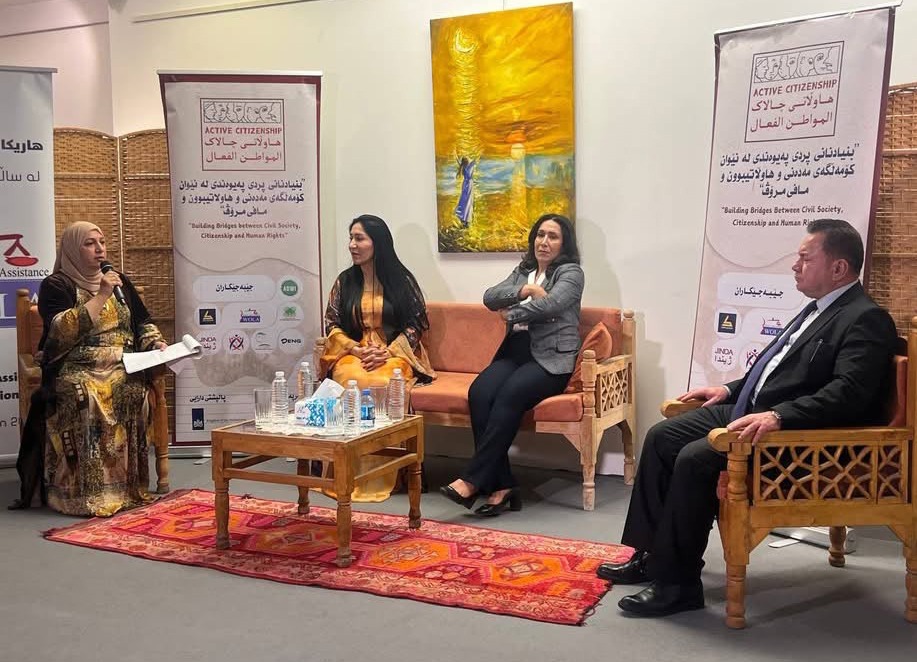
“All cases involving the killing of women undergo legal procedures, beginning with the Criminal Evidence Investigation Directorate,” said Salah Hassan, a criminal court judge, describing the directorate as actively involved in collecting evidence.
However, Hassan called for amendments to strengthen the domestic violence law, saying tougher legislation could serve as an important safeguard for women and help prevent abuse from escalating into murder or suicide.
As spokesperson for the Sulaimaniyah Court, Hassan argued that stronger legal provisions could prevent cases of violence from escalating into murder or suicide. “We want to put an end to honor killings,” he said.
He noted that some women had repeatedly filed complaints over abuse committed by men, but the perpetrators were not adequately punished. He argued that stricter legal measures in such cases could help prevent women from being killed or driven to suicide.
Hassan also said legislation should not differentiate between men and women based on gender, emphasizing that murder is a crime regardless of the victim’s sex, as both are human beings and should receive equal treatment under the law.
Responding to questions from Shokhan Hama Rashid and other participants about whether external pressure could influence trials involving the killing of women, Hassan said the judiciary operates independently and is not subject to pressure. He stressed that evidence determines the outcome of cases and that no case involving the killing of a woman would be disregarded.

How Can Perpetrators Be Held Accountable?
The question was addressed to Judge Venus Baker, a member of the Public Prosecution, who has been involved in numerous cases concerning the killing of women.
Baker said the killing of women is sometimes treated as a matter of honor, but that this does not mean perpetrators will escape justice. She also addressed whether violent crimes should be treated differently depending on the victim’s gender.
Responding to the broader question of where the killers are, Baker acknowledged that the statistics on women’s killings are alarming. She stressed that judges must be present at crime scenes to help establish the facts and identify perpetrators, noting that witnesses—including relatives and neighbors—may provide important information while events are still fresh.
She added that family members of victims sometimes influence the identification of perpetrators and expressed concern over the continued social acceptance or glorification of honor killings.
“Some people still praise the killing of women in the name of honor,” she said, adding that such crimes are sometimes not acknowledged as killings.
Nevertheless, Baker emphasized that perpetrators would not necessarily escape punishment. She said many convicted individuals had been prosecuted even when the victim’s relatives did not pursue the case or take an active role, noting that once a case reaches court, judges and prosecutors are responsible for carrying out their duties.
Although judicial authorities maintain that murder cases are treated equally regardless of gender, Baker said society continues to apply unequal standards. She noted that some families may react differently when a woman from their own family is killed, particularly if the circumstances become publicly known.
Shokhan Hama Rashid, who also heads WOLA, a voluntary NGO supporting women and girls facing violence and death threats, said there had been some changes in how perpetrators discuss their crimes. She noted that, in the past, some killers openly claimed they had committed murder in the name of honor, whereas today they are more likely to deny responsibility and avoid such statements.
Rezan Sheikh Diler, a legal consultant and former member of the Iraqi Parliament, said bringing judges, prosecutors, civil society organizations, and women’s rights advocates together for discussions was essential to understanding the challenges and addressing them collectively.
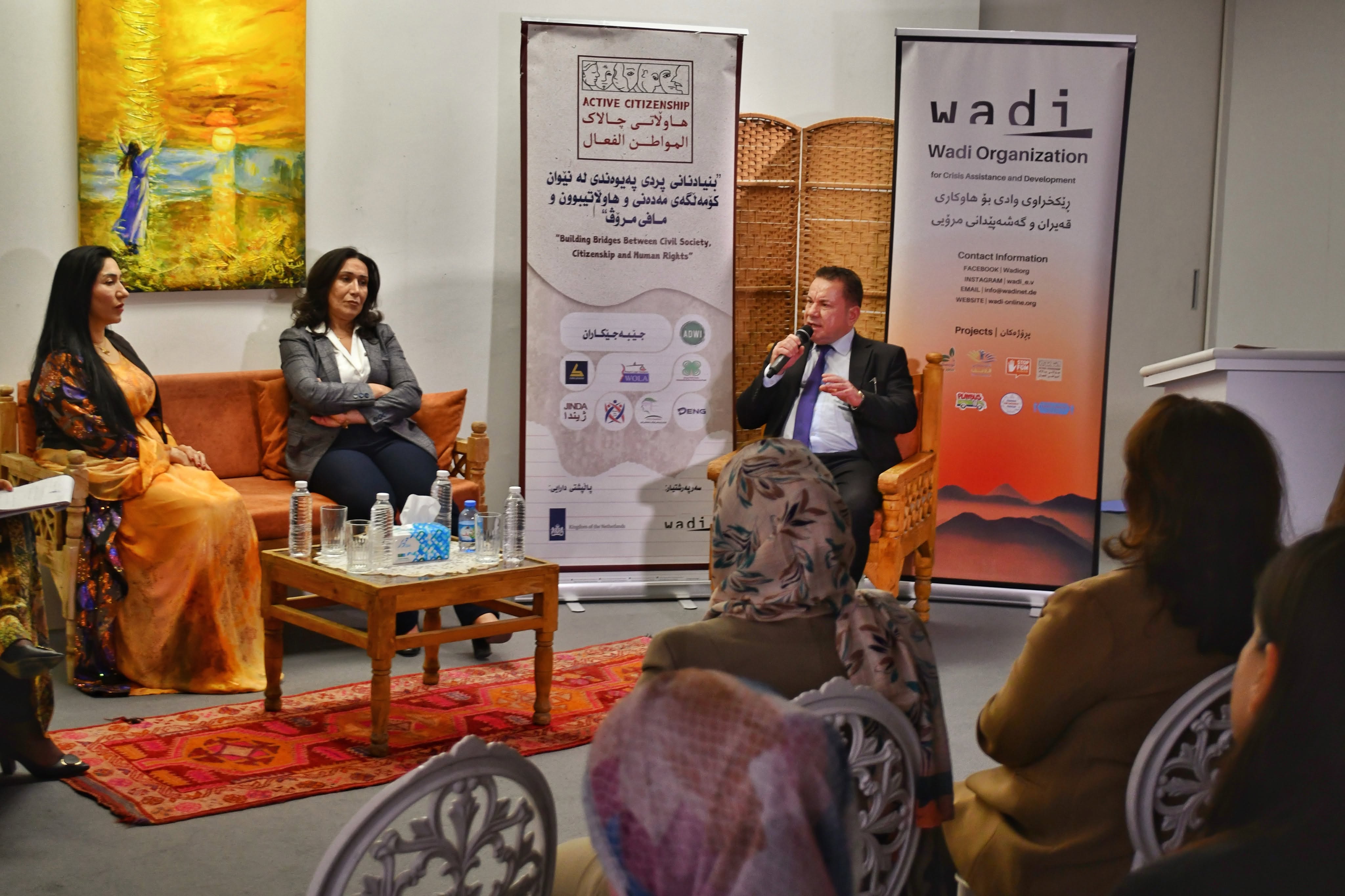
Diler said some lawyers approach women’s cases from a male-dominated perspective, which can negatively affect how cases are handled.
She urged judges to examine the history of abuse when gathering evidence, arguing that killings often follow prolonged periods of violence and repeated violations. Reviewing the history of a case before reaching a decision, she said, could help establish the circumstances surrounding the crime, identify the perpetrator, and understand the motives.
She also stressed the importance of addressing the distinction between murder and so-called honor killings as part of efforts to ensure justice.
Diler criticized the lack of expertise among some judges in dealing with cyberviolence, which she said has increasingly become a factor in violence against women and, in some cases, their killings.
“Some judges do not understand what violence through a tweet means or even what a tweet is,” she said, adding that cases are sometimes referred to IT specialists who may also lack the necessary knowledge.
She further expressed concern that cybercrime cases are handled by Asayish (security agency), which may be reluctant to investigate when they discover that a case involves family matters, leaving women particularly vulnerable.
The panelists agreed on several recommendations aimed at improving responses to violence against women through stronger cooperation between courts, prosecutors, and women’s organizations. These included better coordination, specialized training, and greater expertise in handling such cases.
Diler also called for greater transparency in judicial proceedings, arguing that activists, lawyers, and prosecutors should be able to attend hearings rather than having cases involving women automatically conducted behind closed doors.
“The Public Prosecution should be a place we consider our home,” she said, emphasizing the need for greater accessibility and cooperation.
Bakir also recommended involving prosecutors in the drafting of legislation and urged civil society organizations to raise public awareness about femicide through mosques and religious platforms, which she said have considerable influence within society.
At the conclusion of the panel, participants—particularly Shokhan Hama Rashid—emphasized that preventing the killing of women is not the responsibility of individuals alone. “It requires a collective commitment from the judiciary, government institutions, security agencies, parliament, and civil society organizations.”