


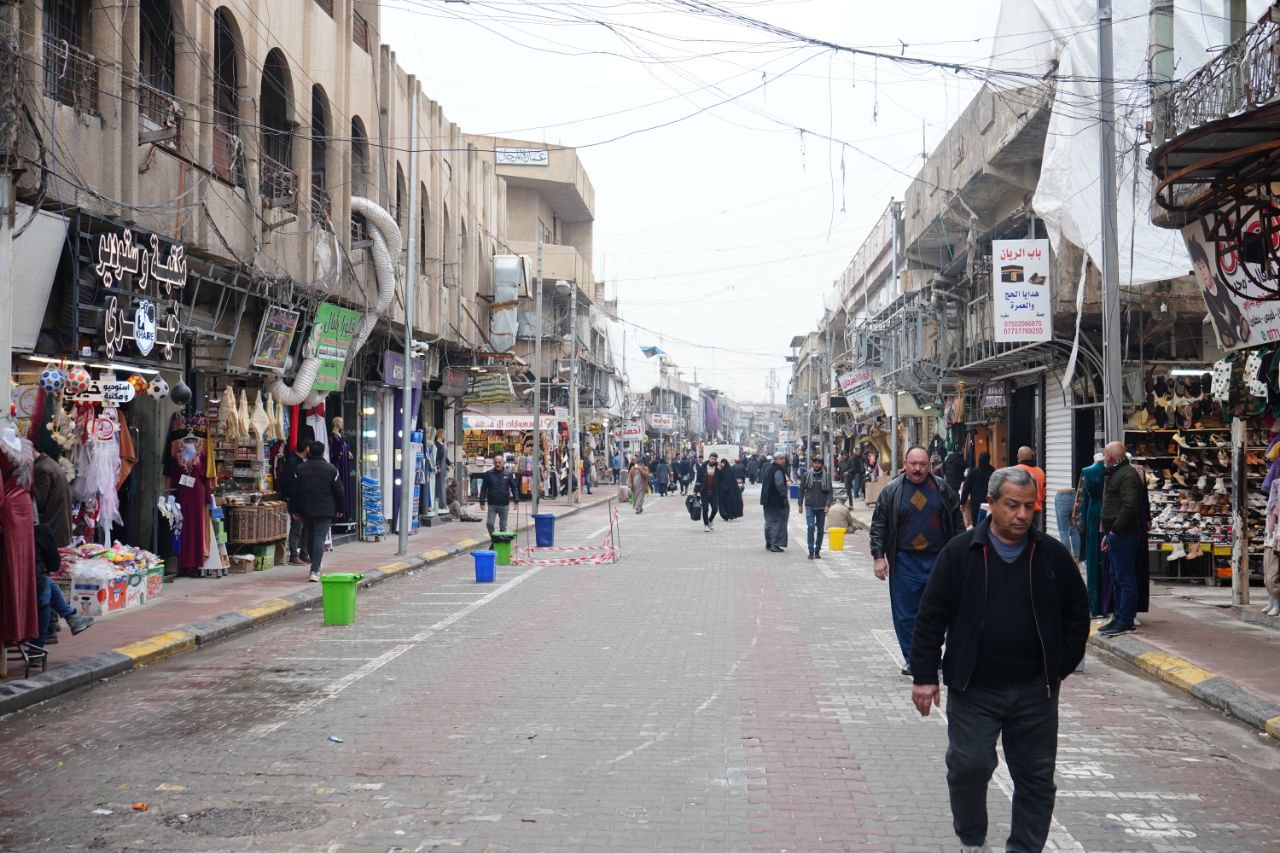

For many families in Mosul, financial pressure has become a constant struggle. Sana Adnan, a government employee, says her salary is the sole source of income for her household. “Any delay in my pay leaves us in an extremely difficult position,” she explains, noting that she has no financial backup to rely on.
Across Nineveh Governorate, living conditions have continued to deteriorate. Late salary payments for government workers, coupled with a sharp rise in the Iraqi Dinar-US Dollar exchange rate, have directly affected citizens’ purchasing power and slowed economic activity throughout Mosul.
Families dependent on a single income are among the most affected. Sana says her monthly salary barely covers essential expenses. “I rent my home, and I must pay for electricity generator fuel, transportation, internet, school fees, and daily household needs,” she says. Any delay in payment disrupts her entire budget.
The Ministry of Finance began disbursing salaries on January 29, 2026—later than the usual between the 20th and 25th of each month—triggering widespread frustration among employees and residents.
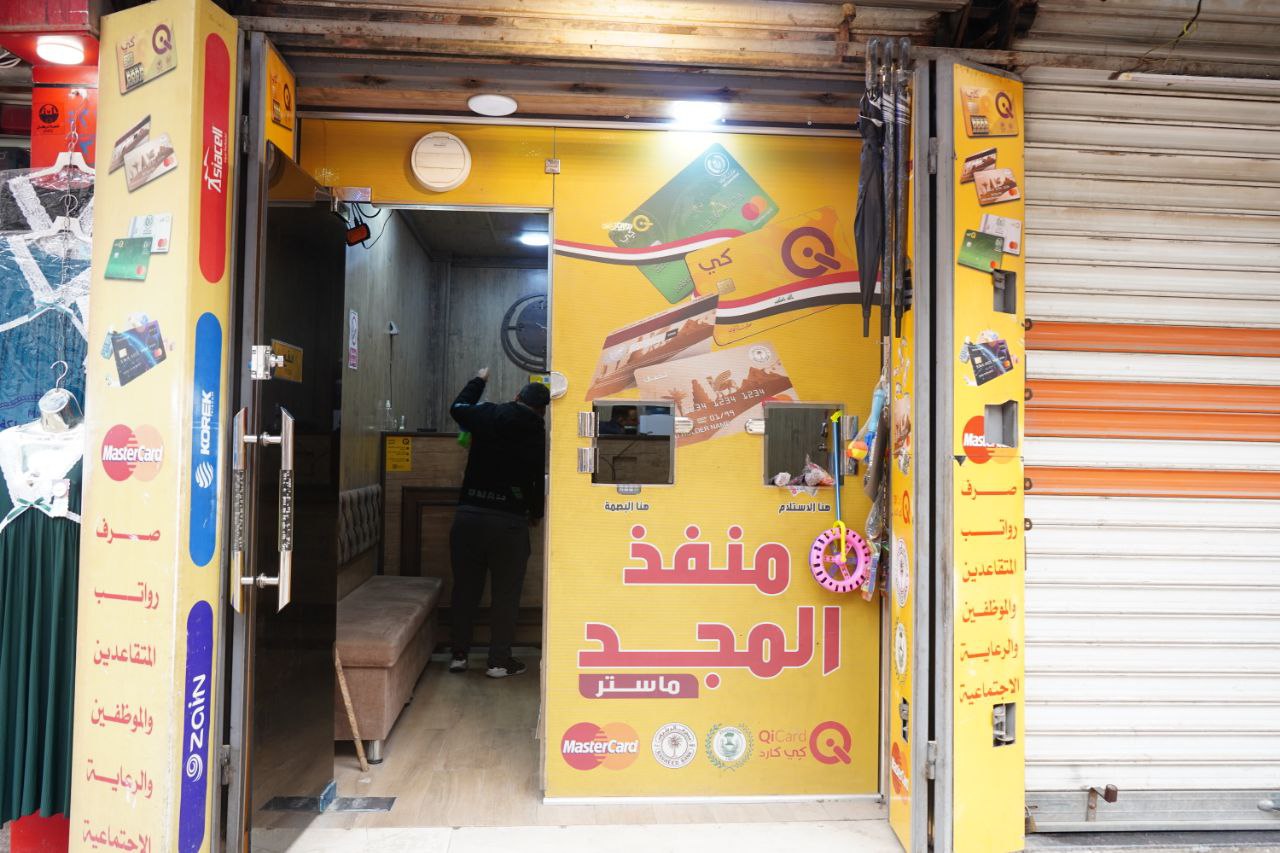
Local businesses are also feeling the impact. Mu’taz al-Khabbaz, who owns a textile store in Mosul, says that multiple economic pressures have brought commercial activity close to a standstill.
“The rising dollar rate, delays in salary payments for employees and retirees, and new taxes on goods have severely disrupted buying and selling,” he told KirkukNow.
He added that shop rental prices have surged since the beginning of the year, in some cases increasing by 50% or more.
“Higher rents, combined with the increased cost of imports due to the dollar’s rise, ultimately burden the consumer,” he said. The dollar has surpassed 150,000 Iraqi dinars IQD per 100 USD on the local market, compared to earlier rates of IQD140,000–145,000, while the official bank rate remains fixed at IQD132,000.
Deepening Economic Fallout
Economic analysts attribute the severity of the current crisis to structural weaknesses in Iraq’s economy, its heavy reliance on oil revenues, and widespread corruption.
Issam Mir Zangana, a researcher specializing in economic and political affairs, told KirkukNow that delayed salaries, exchange-rate volatility, soaring rents, and other economic factors are placing intense pressure on individuals in Nineveh and other Iraqi cities. Mosul residents, he said, are particularly affected by rising living costs and limited job opportunities.
Mosul residents are particularly affected by rising living costs and limited job opportunities.
Zangana explained that Iraq lacks a stable economic model. “The country shifted from a socialist system to a market economy after 2003, but in practice, the economy now fluctuates between the two,” he said, describing this inconsistency as a major cause of today’s economic challenges.
He also pointed to Iraq’s dependence on oil revenues, weak financial management, and the absence of long-term economic planning. According to Zangana, while acceptable global inflation rates generally remain below 6%, Iraq’s inflation has exceeded 36%, requiring years of sustained national effort to bring it under control.
Regional Pressures and Local Consequences
Civil society experts argue that Nineveh’s situation mirrors broader regional instability. Dr. Abdulkarim Al-Jarba, director of the Vision Foundation for Consulting and Research, said Iraq is directly influenced by regional tensions and fluctuations in oil, dollar, and gold prices.
Because Iraq’s economy depends heavily on oil, any volatility quickly affects local markets, he explained.
“In Mosul, weak investment, the absence of factories, and limited production infrastructure have left most residents dependent on government salaries and social welfare. As a result, delayed payments immediately translate into reduced purchasing power and increased hardship.”
High housing rents and the rising cost of basic goods have further intensified the struggles of low-income families.
Calls for Government Action
Experts and local officials agree that Nineveh urgently needs national-level economic strategies. These include supporting the private sector, reopening factories, creating job opportunities, and stabilizing prices.
Mohammed Ahris, a member of the Nineveh Provincial Council and head of the Nineveh Future Bloc, told KirkukNow that rising living costs, unemployment, and declining incomes have doubled expenses for ordinary people and civil servants. These pressures are evident in the increasing prices of food, medicine, construction materials, and essential services.
According to Ahris, “meaningful intervention by local and national authorities is necessary to ease the burden on citizens and prevent further economic deterioration.”
Ahris explained that the provincial council aims to stimulate economic recovery by activating development projects, supporting the private sector, revitalizing agriculture, and reopening factories.
“This requires close coordination between local and central governments to take decisive measures that strengthen the private sector, create job opportunities, and launch sustainable projects, ultimately curbing economic corruption and preventing its direct impact on citizens.”