


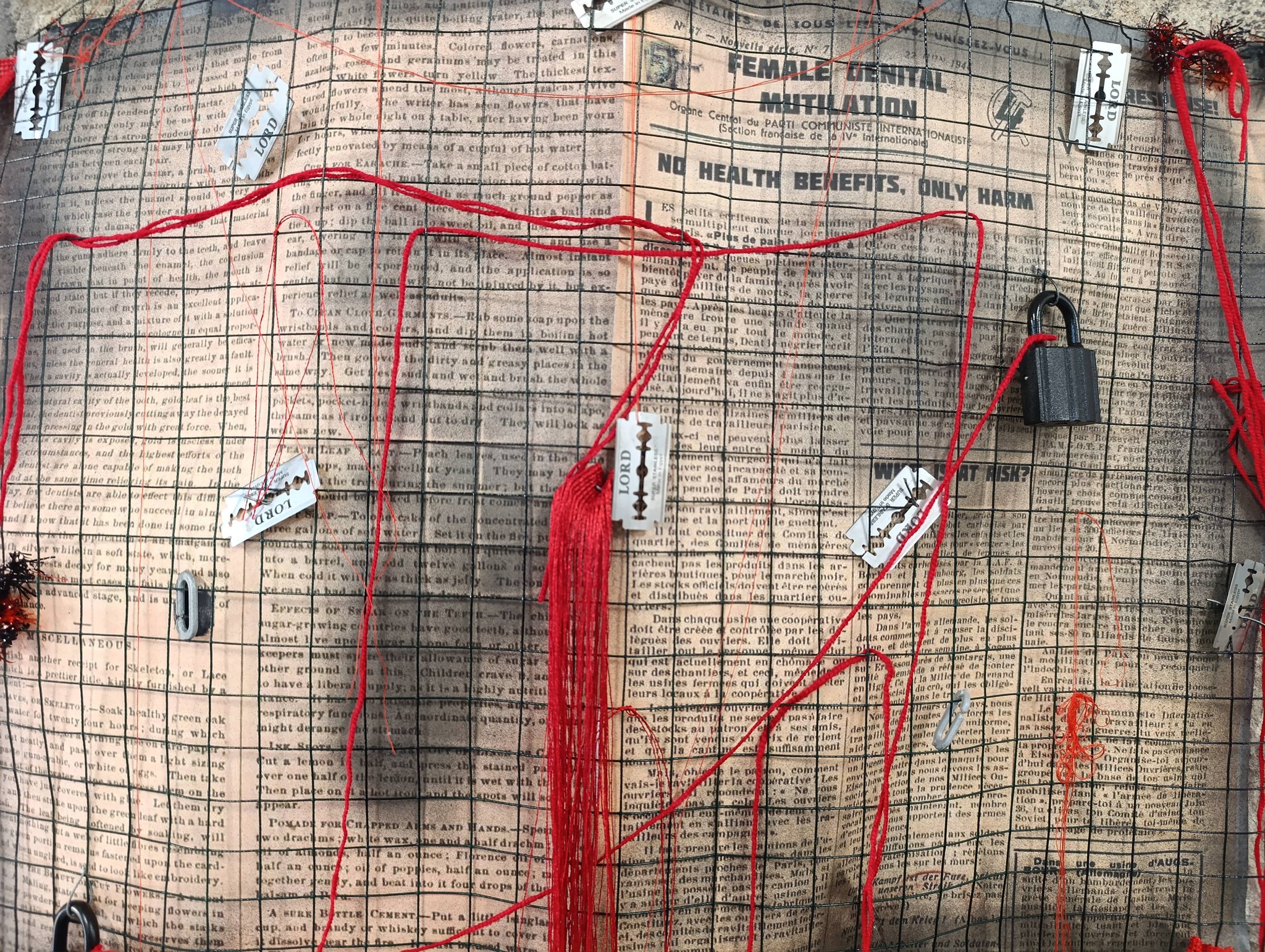

A German-Iraqi non-governmental organization NGO, with nearly two decades of experience combating female genital mutilation FGM in the Kurdistan Region of Iraq KRI, revealed that 74 cases of female genital mutilation were recorded among girls under the age of 10 in the Raparin district of Sulaimaniyah northern province.
This occurred despite deterrent laws and public awareness campaigns about the health and psychological harms of FGM.
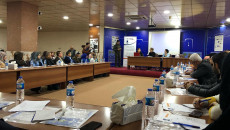
The new statistic, which shocked the Wadi’s officials, was announced at a panel discussion held on Thursday, February 5, 2026, in Sulaimaniyah, coinciding with the International Day of Zero Tolerance for Female Genital Mutilation. The panel discussion was organized by Wadi and its partners, including the Women and Children's Awareness and Development Organization in Iraq (ADWI), which works on the issue of FGM.
Chiro Omar, a member of the Adwi organization's field team, stated during the panel discussion that last year 74 cases of female genital mutilation (FGM) were recorded in Rania and Qaladze.
“This type of violence, which is prohibited by law, persists despite the passage of the Domestic Violence Law by the Kurdistan Parliament in 2011, which classifies FGM as a form of violence punishable by law."
“All 74 recorded cases involved girls under the age of ten, even though the law was enacted 15 years ago," she added.
Under the Anti-Domestic Violence Law, FGM is prohibited, and perpetrators are punishable by imprisonment for a period of no less than six months and no more than three years, and by a fine of no less than one million Iraqi dinars IQD (USD670) and no more than five million IQD, or by one of these two penalties.
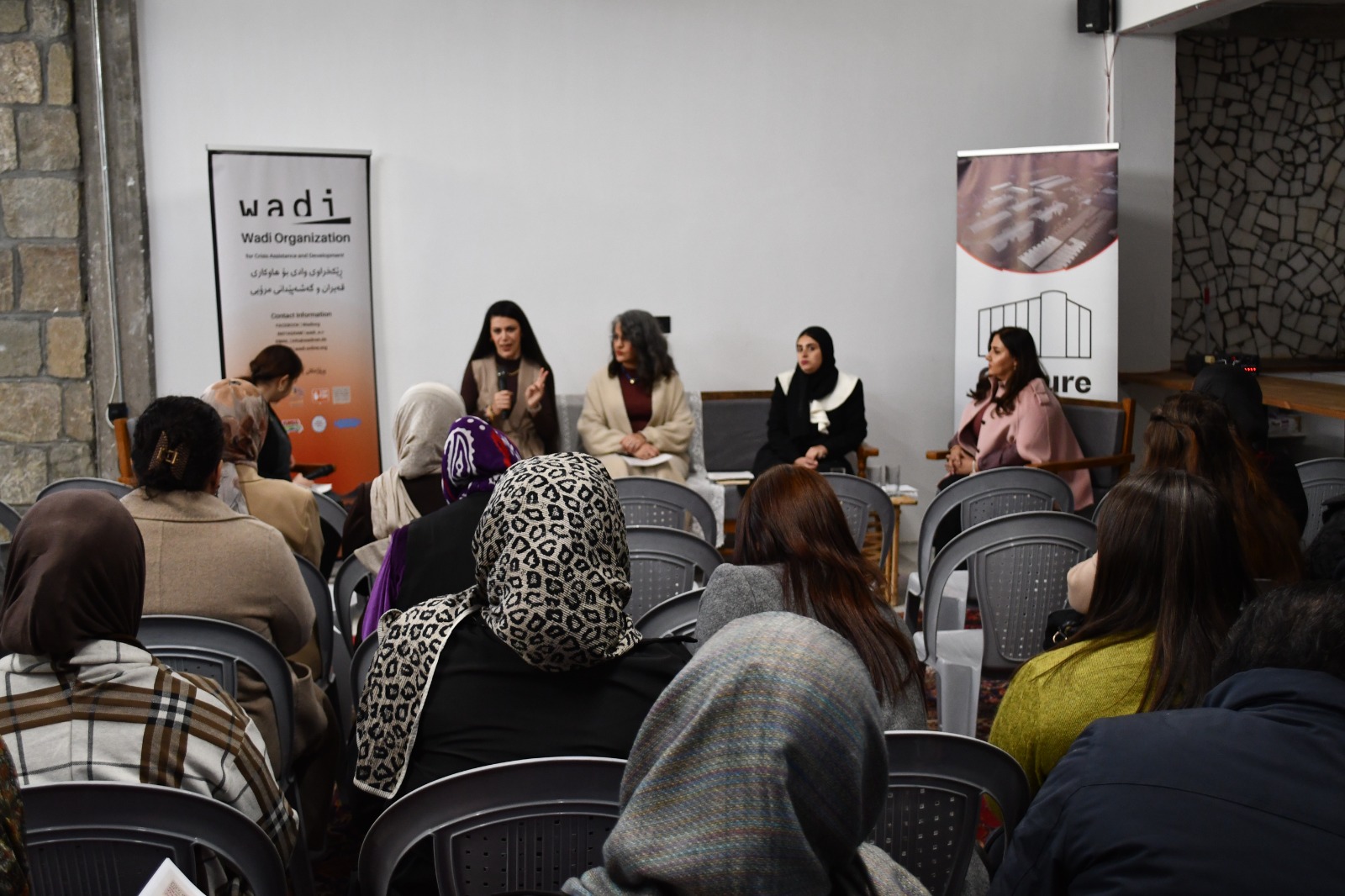
Omar noted that the organization's teams also recorded cases of (FGM) in Erbil. "This indicates a widespread belief among members of the community that girls must be circumcised," she said.
She explained that the number of FGM cases in 2025 was not limited to these figures.
"These are cases recorded in only a few areas that the organization's teams visited and documented. There are dozens of other areas that our teams haven't been able to reach due to our limited staff."
FGM involves removing the clitoral hood and glans, excising the labia minora and majora, and sealing the vulva, leaving only a small opening for urine and menstrual blood. The vagina is then opened to allow for intercourse and future childbirth.
Since 2005, Wadi has been running the "Stop FGM" campaign in the KRI. This campaign resulted in the passage of a law prohibiting the practice and a broad awareness campaign about its health, sexual, and psychological harms. Religious figures have participated in the campaign and described the practice as contrary to Islamic law.
In 2020, Wadi declared the Garmyan area free of (FGM), confirming that no cases had been recorded there in 2019. However, the organization also noted that "161 cases were recorded in Erbil and 162 in the Ranya district," based on field monitoring.
The Garmyan administration includes the districts of Kalar, Kifri, and Darbandikhan, and is administratively part of the Sulaimaniyah.
Nashmil Rasul, Psychiatrist, stated during a panel discussion that "FGM has both short-term and long-term psychological repercussions for women.”
“In the short term, they experience fear and psychological distress, while in the long term, they suffer from chronic psychological trauma that will accompany them for life unless they receive psychological treatment."
"Sexual problems in our society are often followed by psychological problems, and these most frequently affect circumcised women. If these problems are not addressed, they can develop into family problems, such as men taking a second wife and sometimes even infidelity," she continued.
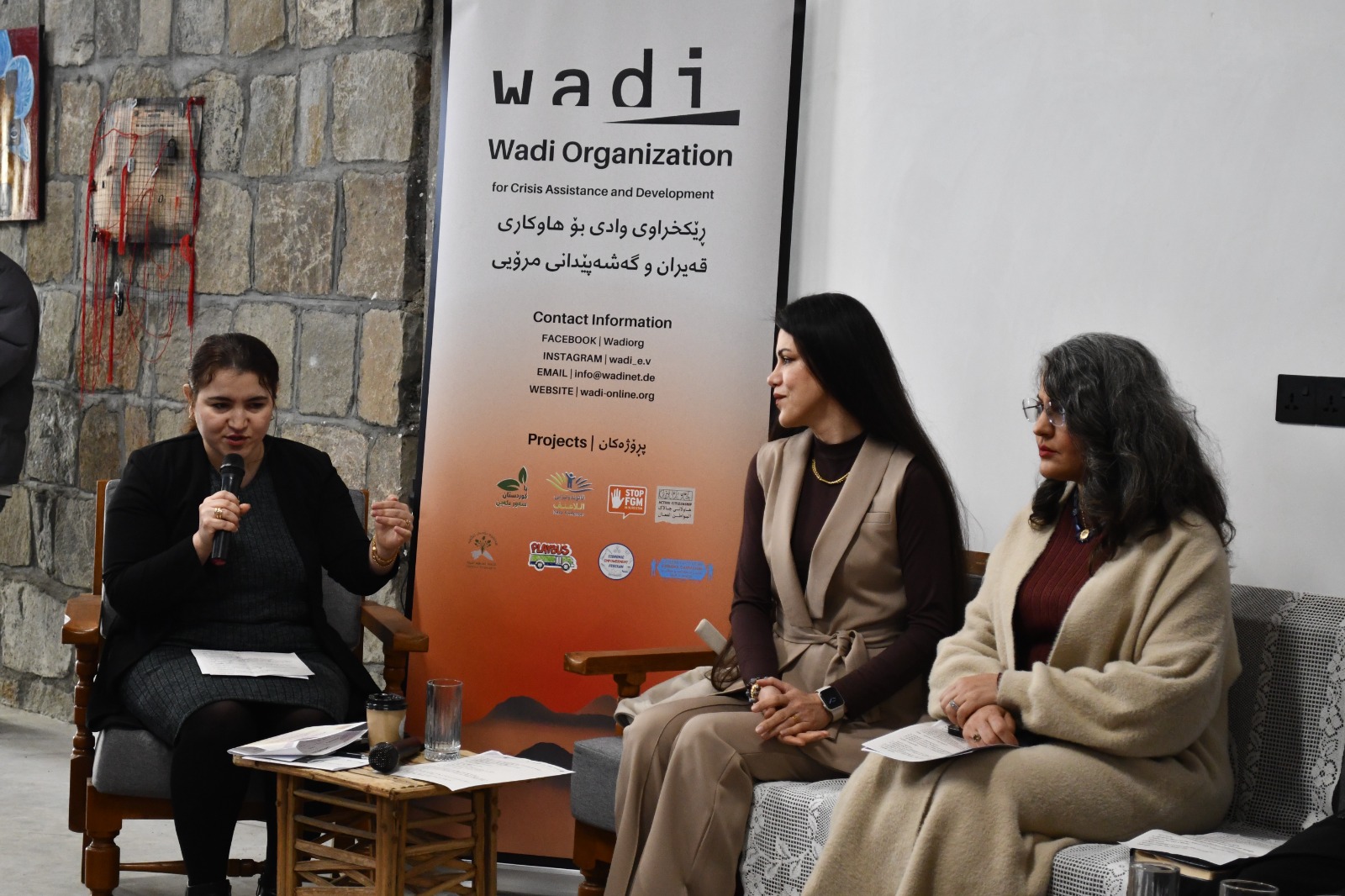
Regarding psychological treatment for women who have undergone FGM, Rasul said, "Family support, especially from the husband, is crucial for them. It helps them overcome their problems and seek treatment.”
“Most importantly, women shouldn't be ashamed to talk about the psychological problems they suffer due to FGM." She added, "Because all women who have undergone FGM face either sexual or psychological problems, or both."
Omar supports Dr. Nashmil's statement, saying, "Some women have asked their husbands to take a second wife because they were sexually dysfunction and couldn't satisfy their husbands' desires in bed. After the second marriage, social problems arose."
"Preserving ancestral rituals and traditions, maintaining family honor, and preserving chastity and purity, along with religious beliefs," are among the most prominent reasons for female genital mutilation, according to the findings of Wadi teams.
In 2010, Wadi conducted a comprehensive study in the KRI revealing that female genital mutilation (FGM) rates reached as high as 70 percent in some areas. However, Wadi has now declared Halabja Province, along with Kalar, as FGM-free, thanks to the efforts of its teams.
Shinyar Mahmoud, Gynecologist, believes that women who have undergone FGM should consult specialists to address sexual problems and receive guidance.
"This is better than women suffering further complications.”
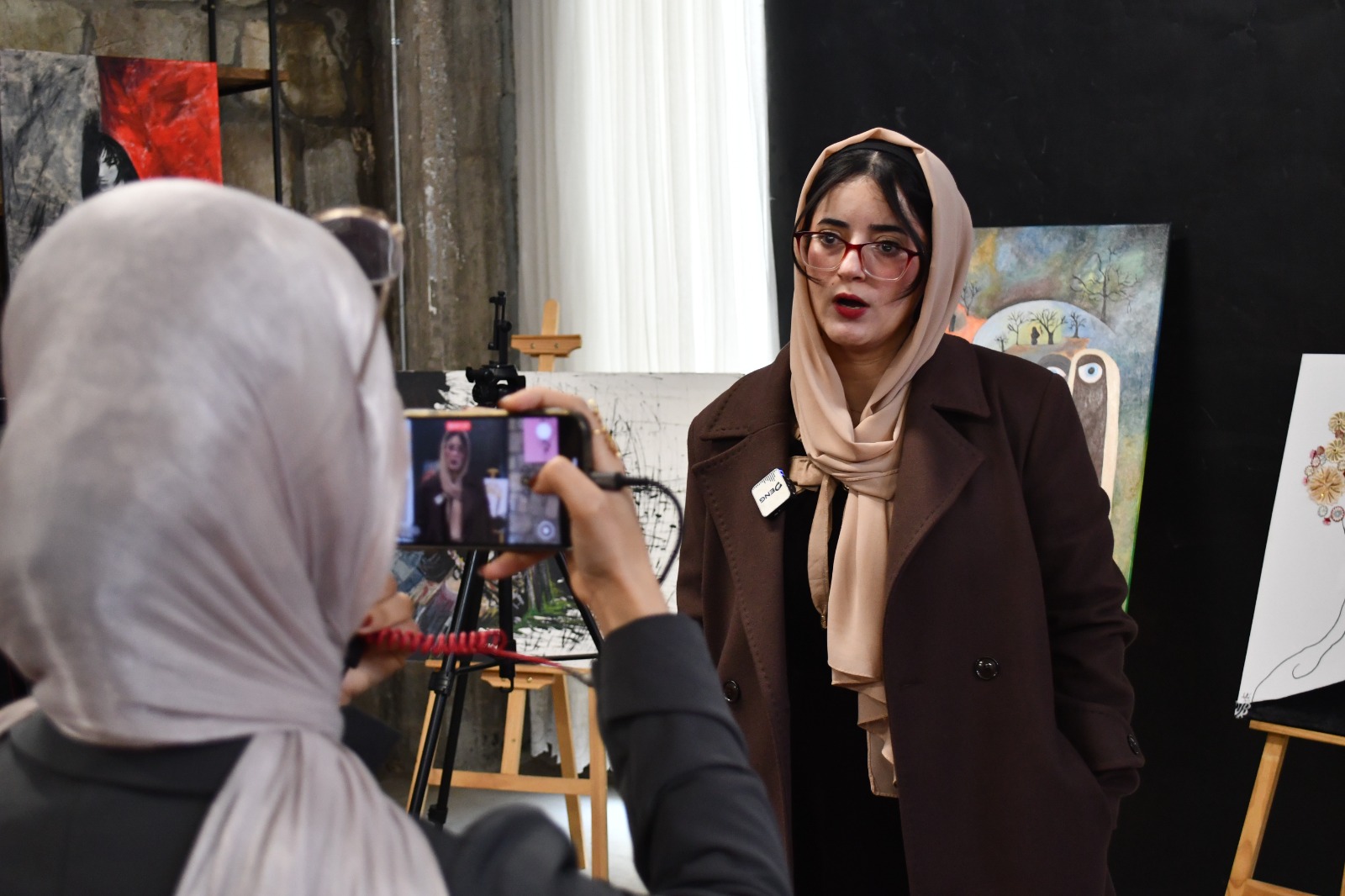
Some of the health problems experienced by circumcised women include bleeding, severe pain, and lasting scarring.
Despite the clear explanation of the health and psychological harms and the existence of laws criminalizing this practice, Wadi and ADWI teams believe that FGM is still practiced silently and secretly in some remote areas and villages, threatening the future of hundreds of girls under the age of 10.
Bakhan Jamal, director of the Women and Children's Awareness and Development Organization in Iraq (ADWY), told KirkukNow, "We must continue the campaign to eliminate female genital mutilation.”
Statistics show that more work and support to eradicate this phenomenon in Iraq throughout the Kurdistan Region and Iraq, she added.
“We haven't stopped our work, but there have been years when we didn't have a specific project for this purpose. Our teams are currently actively working to raise public awareness. The law must be implemented to the letter and this phenomenon must be eradicated."