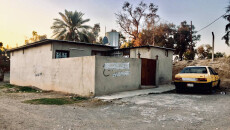



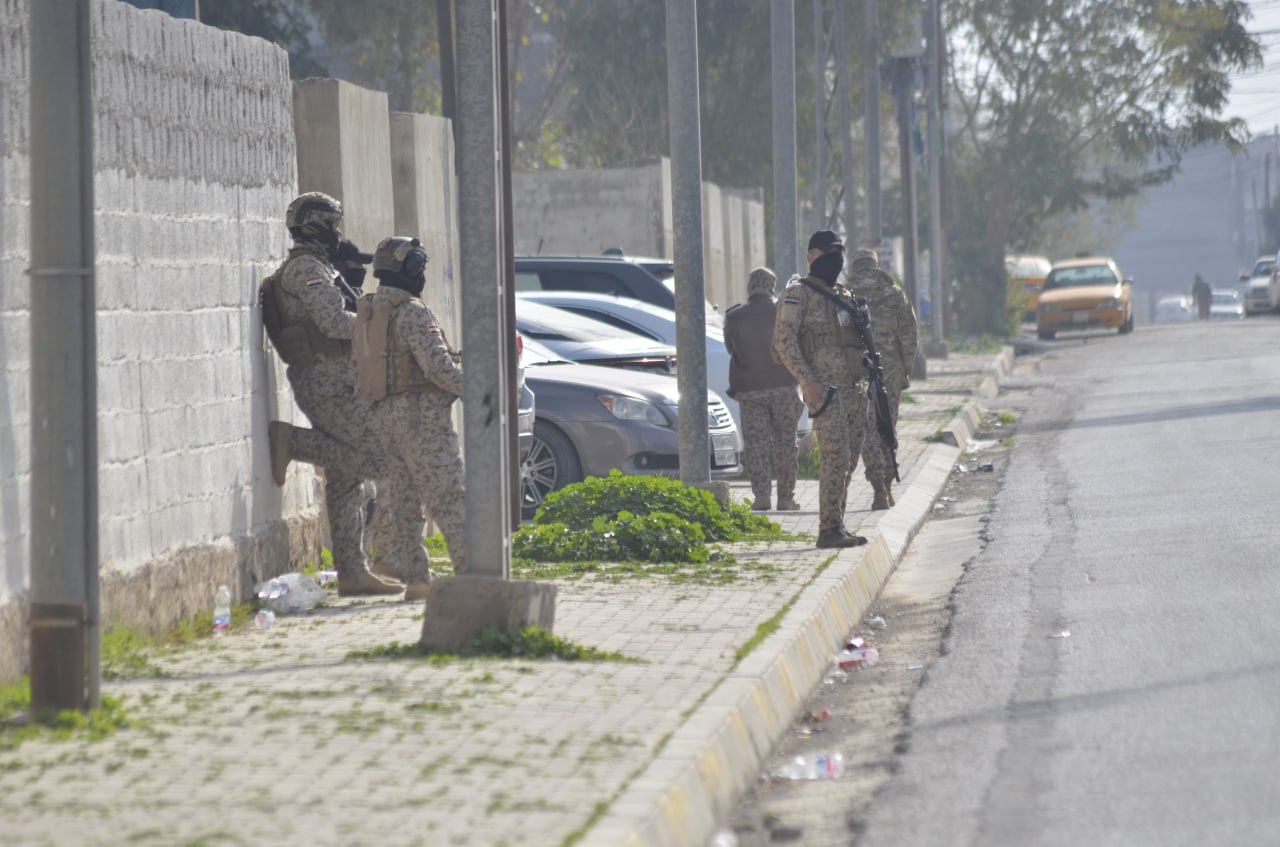

Iraqi army forces have returned to the Newroz neighborhood and issued 24-hour eviction notices to residents of five homes. These same houses had been cleared by the army about a month earlier.
The origins of the dispute trace back to the Ba'ath era in 1980s, when the area was known as the “Officers’ Neighborhood” because many regime officers were housed there. Current residents, however, maintain that they possess official cadastral documents proving ownership.
Amanj Ahmad, one of the five homeowners ordered to vacate, told KirkukNow “Some time ago (about a month ago) the army vacated the house, and I went back and started repairing it, but they came to us yesterday evening (February 22) around breakfast time and told us we have to vacate it.”
that the army had previously evacuated the property roughly a month ago. After reentering and beginning repairs, soldiers returned during breakfast on Saturday evening and informed him he must leave within 24 hours.
The neighborhood includes 122 houses. Families who returned after 2003 say they have legal property registrations. Two years ago, the army reoccupied five houses, claiming they belonged to the Ministry of Defense. In response, residents set up protest tents that have remained in place since then.
The northern, oil-rich, ethnically mixed province of Kirkuk is home to about 1,77 million Kurds, Turkmen, and Arabs. Located 238 kilometers north of Baghdad, Kirkuk has long been at the center of disputes between the federal government in Baghdad and the Erbil-based Kurdistan Regional Government KRG.
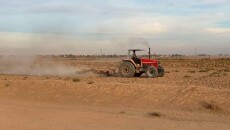
The return of seized lands to its owners was one of the most complicated issues in Kirkuk province and other disputed territories, pending for 20 years. This has led to several clashes between Kurdish, Arab and Turkmen farmers.
In the seventies of the last century, according to a decision of the Supreme Revolutionary Command Council and the Northern Affairs Committee during the rule of the Baath Party, most of the agricultural lands belonging to Kurdish and Turkmen farmers were distributed in several regions of Kirkuk with agricultural contracts to Arab farmers who were brought from central and southern Iraq and settled in Kirkuk, as part of a process Arabization and deportation of Kurdish and Turkmen families.
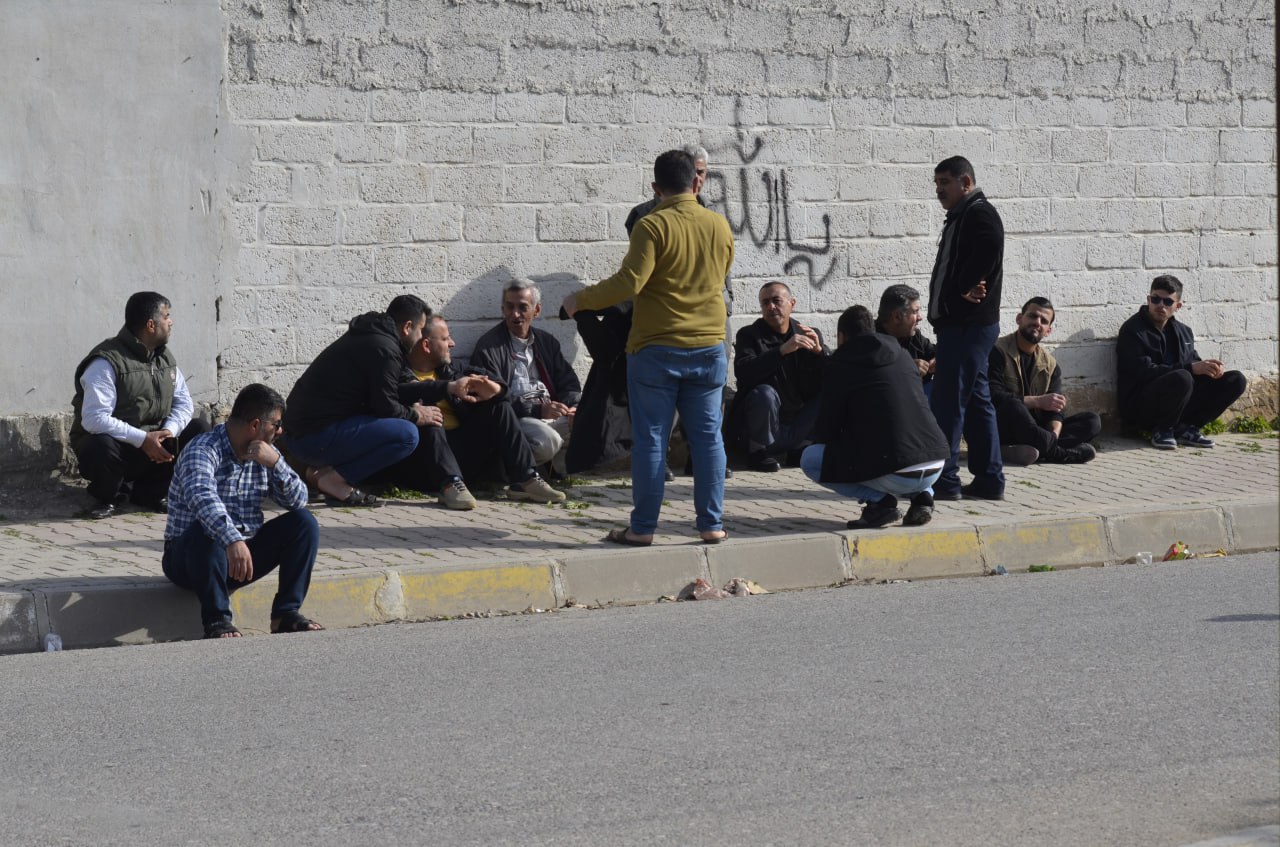
Residents reported that four of the houses had recently been vacated due to developments in Syria and the redeployment of forces to border areas. However, on Saturday, soldiers again warned residents to leave, describing the properties as state-owned and threatening arrest if they refused.
In response, residents gathered and decided to remain in the protest tent they had established two years earlier. "We were able to defeat the army's attempt to take over the house with the unity of the residents of the neighborhood," Darbaz Juma, a witness to the incident, told KirkukNow.
On Sunday morning February 21, the army entered two houses and surrounded two others. These properties had been occupied by military forces until about a month ago, when they were vacated by the army and the residents returned for renovations.
Newroz neighborhood is part of the Wasti area in southern Kirkuk, situated between Wasti and Baghdad Road neighborhoods. The majority of its residents are Kurdish.
Rebwar Taha, the Governor of Kirkuk, said in a press conference that a team had visited the houses to verify the situation. According to Taha, after discussions between local authorities and the army, the forces withdrew and the issue was resolved. He added that efforts are ongoing to address the matter in line with Council of Ministers Decision 320, which regulates land ownership disputes that have become established realities.
The governor explained that ownership remains complex. "Some houses are municipal property, others belong to the Ministry of Finance, and some residents have usage rights. Additionally, certain homes were constructed by the Ministry of Defense during the Ba'ath period. Authorities, he said, are continuing efforts to reach a comprehensive solution."
Tensions in Kirkuk and some other disputed territories have been ongoing for years over land and housing since the political warfare and government measures failed to normalize the situation, most recently the efforts of Mohammed Shia Sudani's cabinet to revive the committee for implementation of Article 140 of the Iraqi constitution, the only constitutional way to resolve the tensions in the disputed territories.