



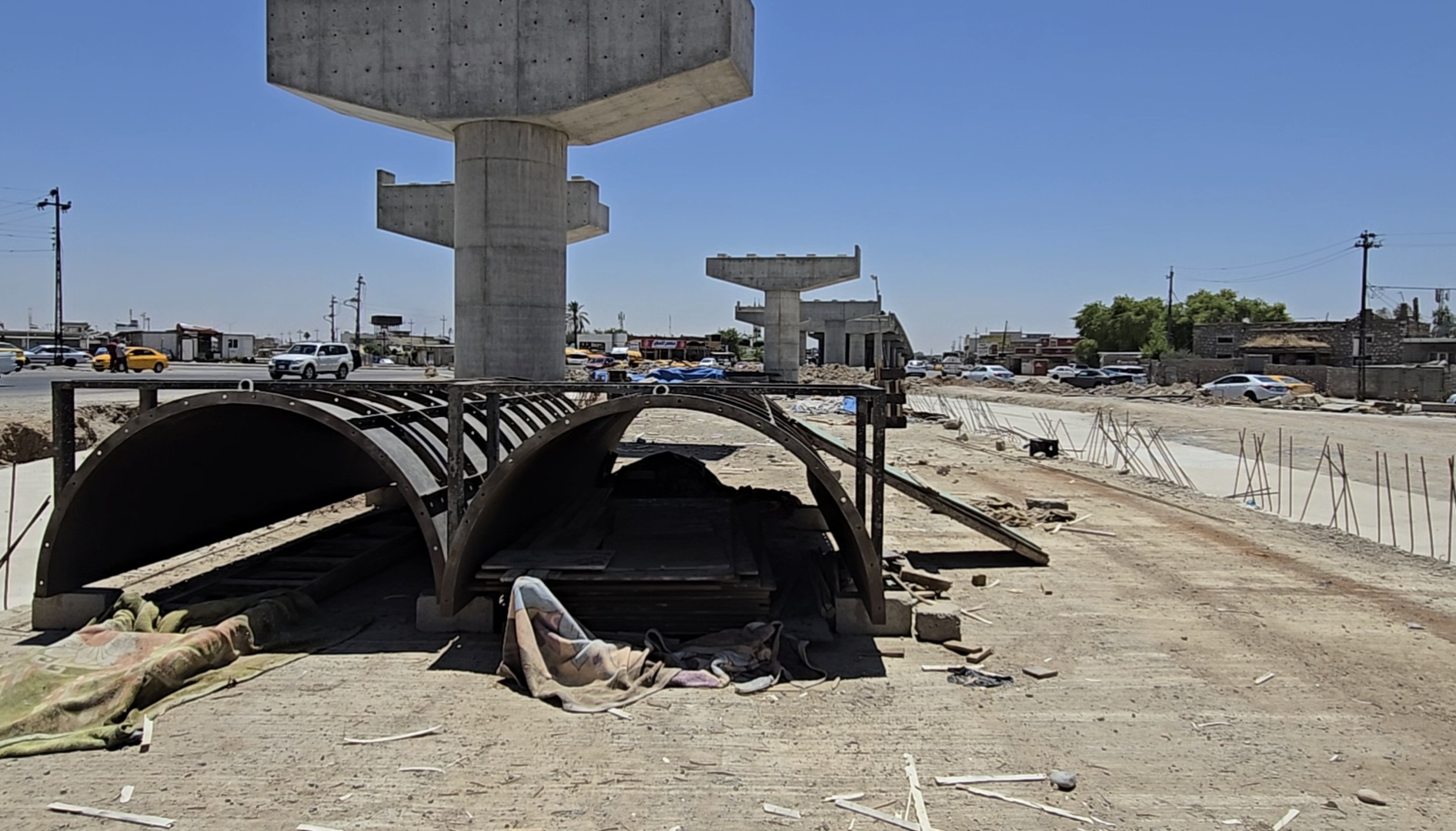

The Kirkuk local administration is facing growing criticism from contractors and residents after hundreds of public service projects were suspended because of unpaid government funding. Projects that once showcased the administration's achievements have now become a source of frustration, raising questions about financial planning and accountability.
Since taking office in August 2024, the administration signed hundreds of contracts with local contractors despite lacking an approved budget or guarantees that the Iraqi federal government would provide the necessary funding.
"The Kirkuk administration must explain how it signed contracts without having a budget," said contractor Sami Lehibi. "I have stopped work on five projects because we have not received our financial entitlements."
According to the Iraqi Contractors Union, around 400 projects across the oil-rich, multi-ethnic province of Kirkuk have been suspended after local authorities admitted they could no longer pay contractors.
"I stopped my projects because no advance payments have been made, and there is no guarantee we will recover the money we have already spent," Lehibi said.
There is no guarantee we will recover the money we have already spent
Projects That Became Political Achievements
Many of the contracts were awarded during the tenure of Rebwar Taha, who served as governor before becoming deputy governor.
During the 2025 Iraqi parliamentary election campaign, the administration promoted these projects as evidence of its success in improving public services. The large number of ongoing projects strengthened public confidence in the local government and is widely believed to have contributed to Taha receiving nearly 95,000 votes, making him one of the top vote-getters in the election.
After the elections, however, contractors increasingly protested delayed payments, forcing many projects to halt before completion.
The northern, oil-rich, multi-ethnic Kirkuk Province, home to more than 2.34 million people, remains one of Iraq’s disputed territories between the federal government and the Kurdistan Regional Government. Its future status is tied to Article 140 of the Iraqi Constitution, which outlines a process involving normalization, census-taking, and public referendums.
Billions Owed to Contractors
The Kirkuk branch of the Iraqi Contractors Union estimates that the government owes contractors approximately 240 billion Iraqi dinars IQD (USD150 Million), representing money already invested in incomplete projects.
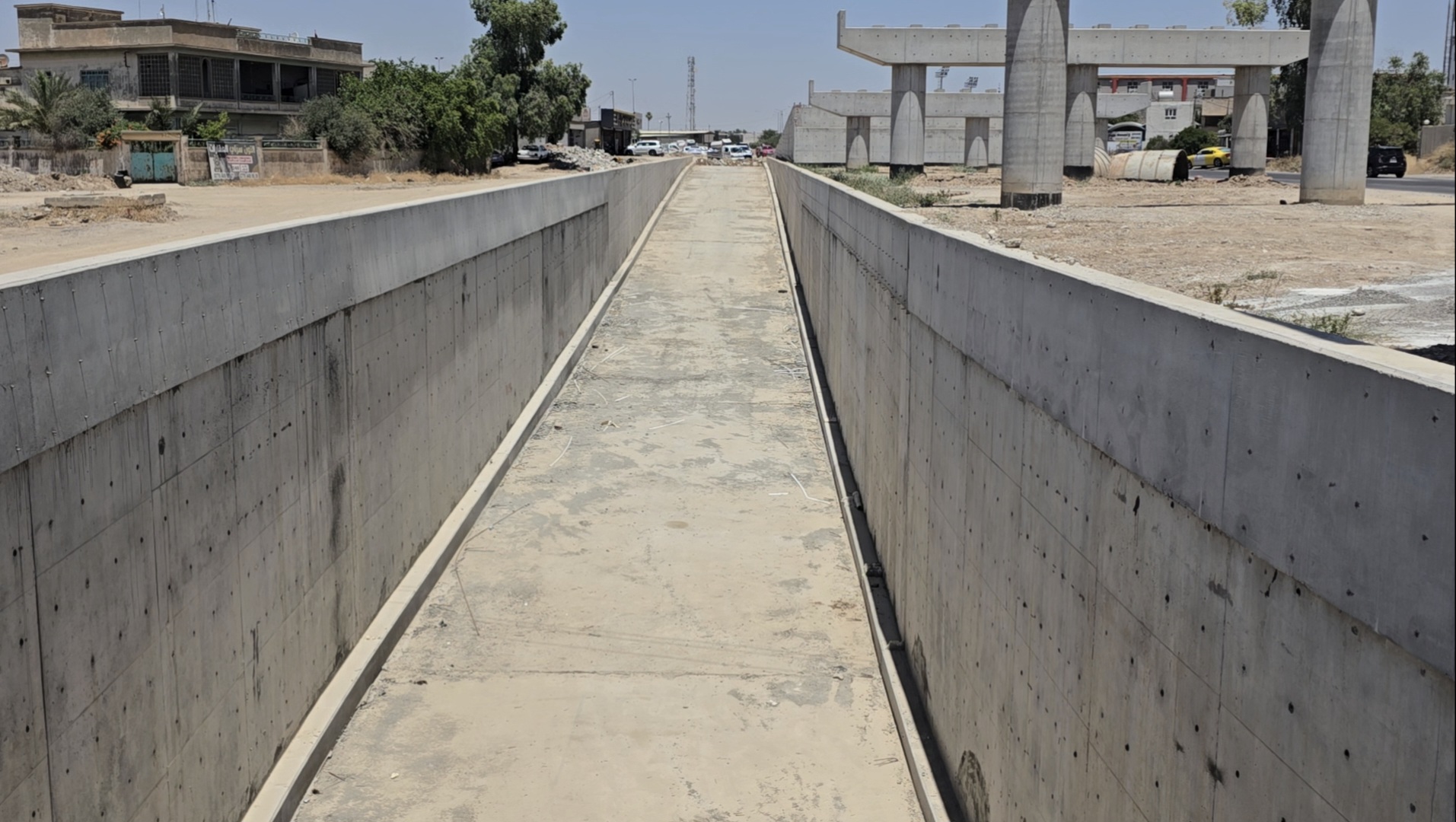
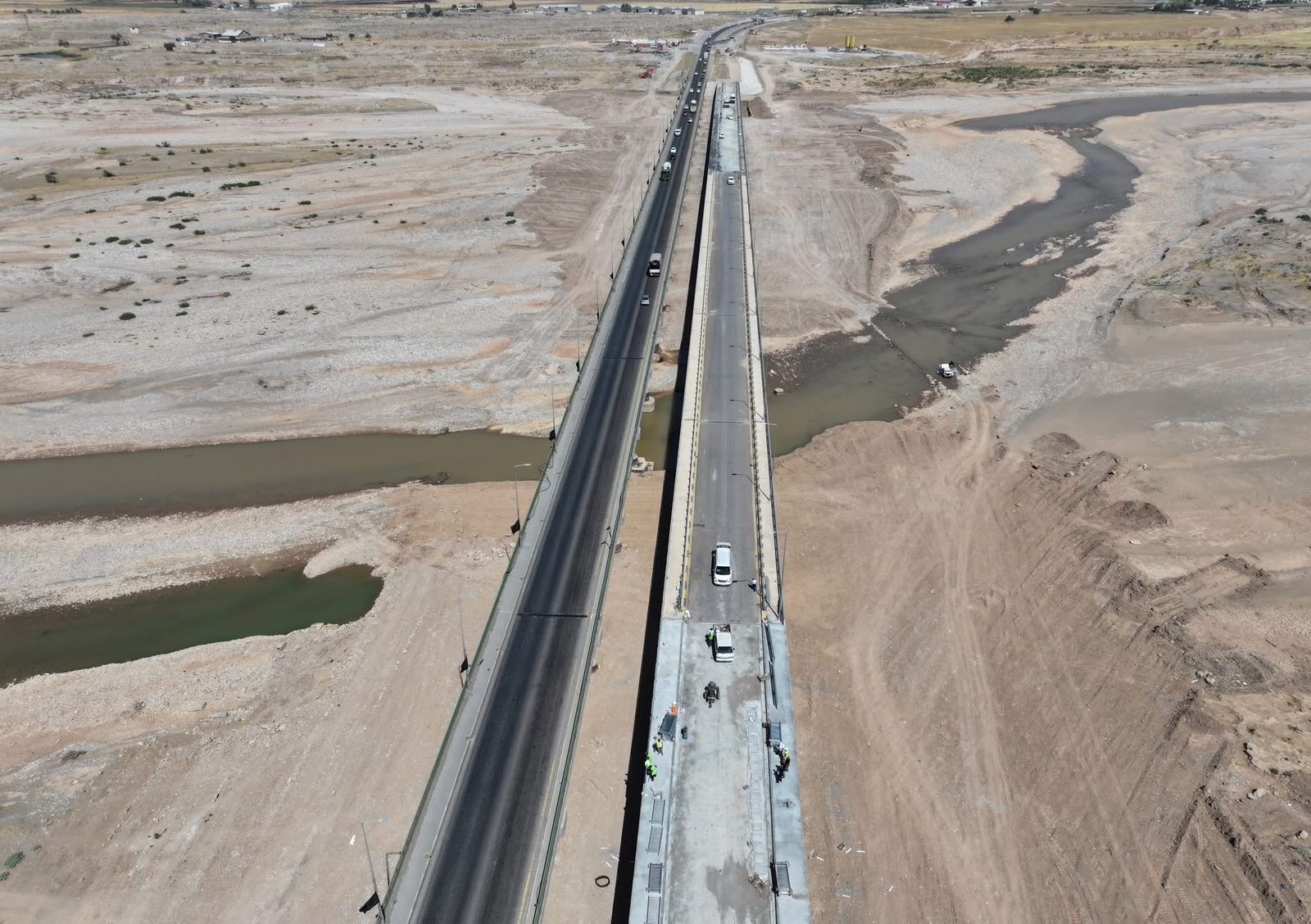
The suspension has affected major infrastructure works, including roads and bridges, creating daily difficulties for residents.
"The roads around the Baghdad Garage project have remained unfinished for two years," said Safa Ali, a government employee who travels through the area every day. "In winter we struggle with mud, and in summer traffic congestion becomes unbearable."
Ali questioned the administration's decision to launch projects without secured funding.
"The government must explain how it started these projects without a budget. How is this administration different from previous governments? People expected better."
"The cabinet represented all three communities. They all share responsibility for the current situation."
Shared Responsibility
Kirkuk's current administration was formed through an agreement among the province's three main communities—Kurds, Arabs, and Turkmens—who pledged to prioritize public services.
Rebwar Taha served as governor from August 2024 until April 16, 2026, when the position was transferred to Mohammed Samaan, representing the Turkmen community.
Although many contracts were signed during Taha's administration, Ali argues responsibility extends beyond one individual.
"The cabinet represented all three communities," he said. "They all share responsibility for the current situation."
The state-owend and run Northern Oil Company manages the five major oil fields in Kirkuk: Avana, Bai Hassan, Qubba Baba, Jambur, and Khabaza. It employs approximately 17,000 workers, including contract staff. The distribution of jobs among Arabs, Kurds, and Turkmen has long been a contentious issue.
Contractors Demand Action
Last week, contractors held a press conference demanding payment of overdue financial entitlements and calling on Kirkuk officials to pressure the federal government to release funding.
Lehibi also alleged that some projects received preferential treatment because of the influence of senior officials, suggesting corruption exists within the contracting process, although he did not provide specific evidence.
Contractors further claimed that while Baghdad has released project funds to several provinces, Kirkuk has been excluded.
"Other provinces have received their allocations, but Kirkuk has not," Lehibi said. "It is the responsibility of the administration and the provincial council to follow up with the federal government."
Despite several meetings between contractors and the provincial council, no solution has yet been reached.
Provincial Council Responds
Abdullah Mirwais, chairman of the provincial council's Services Committee, said the council supports the contractors' legitimate demands.
"We want all suspended projects to be completed because they are essential for serving citizens," he said. "We recognize that stopping these projects has caused serious transportation and service problems."
Mirwais added that many contractors are now struggling financially.
"Most contractors are heavily in debt. Some have even sold personal assets to continue financing their projects."
Officials at the Kirkuk governor's office declined to comment when approached by Kirkuk Now.
The 16-seat Kirkuk Provincial Council is distributed among several groups: Arabs hold six seats across three blocs, Kurdish parties control seven seats (five held by the Patriotic Union of Kurdistan PUK and two by the Kurdistan Democratic Party KDP), the Iraqi Turkmen Front ITF holds two seats, and the remaining seat belongs to the Babylon Movement representing the Christian community.
We've been told that contractors who signed agreements this year can either cancel them or suspend work until Baghdad releases the budget
Economic Impact
Contractor Auf Abdulrahman Obaidi said the suspended projects have significantly increased unemployment.
"Every company employed at least 50 workers. Now those workers have all been sent home," he said.
According to Obaidi, delayed payments have affected contracts dating back to 2022.
"We've been told that contractors who signed agreements this year can either cancel them or suspend work until Baghdad releases the budget."
Bakr Hassan, another contractor, said he has suspended five projects after waiting nearly 20 months without receiving advance payments.
His projects include the construction of a public park and two facilities for the Iraqi Army's 8th and 11th divisions.
"I completed more than 80 percent of one project before stopping work," Hassan said. "Leaving projects unfinished causes further damage because completed work deteriorates over time, requiring additional repairs that contractors are not compensated for."
A National Financial Crisis
Nawzad Anwar, head of the Kirkuk branch of the Contractors Union, believes the problem extends beyond the province.
"This is not only a Kirkuk issue," he said. "It affects all of Iraq because the federal government is facing a serious financial crisis."
Still, he criticized the government's handling of contractors.
"Nothing like this has happened before in Iraq. Governments should not sign contracts and then fail to pay the contractors."